A colonoscopy is the most definitive diagnostic method for early detection of conditions such as polyps, inflammation, and cancer by directly examining the interior of the colon. However, many people find the 'fasting the day before' and 'taking bowel preparation medication' more burdensome than the procedure itself. In fact, the process of clearing the bowel is the most critical step in determining the success of the exam. It is not just about fasting; what you eat and avoid starting 3 days before the exam can significantly impact the state of residual waste in your colon.
The Importance of Diet Management Starting 3 Days Before
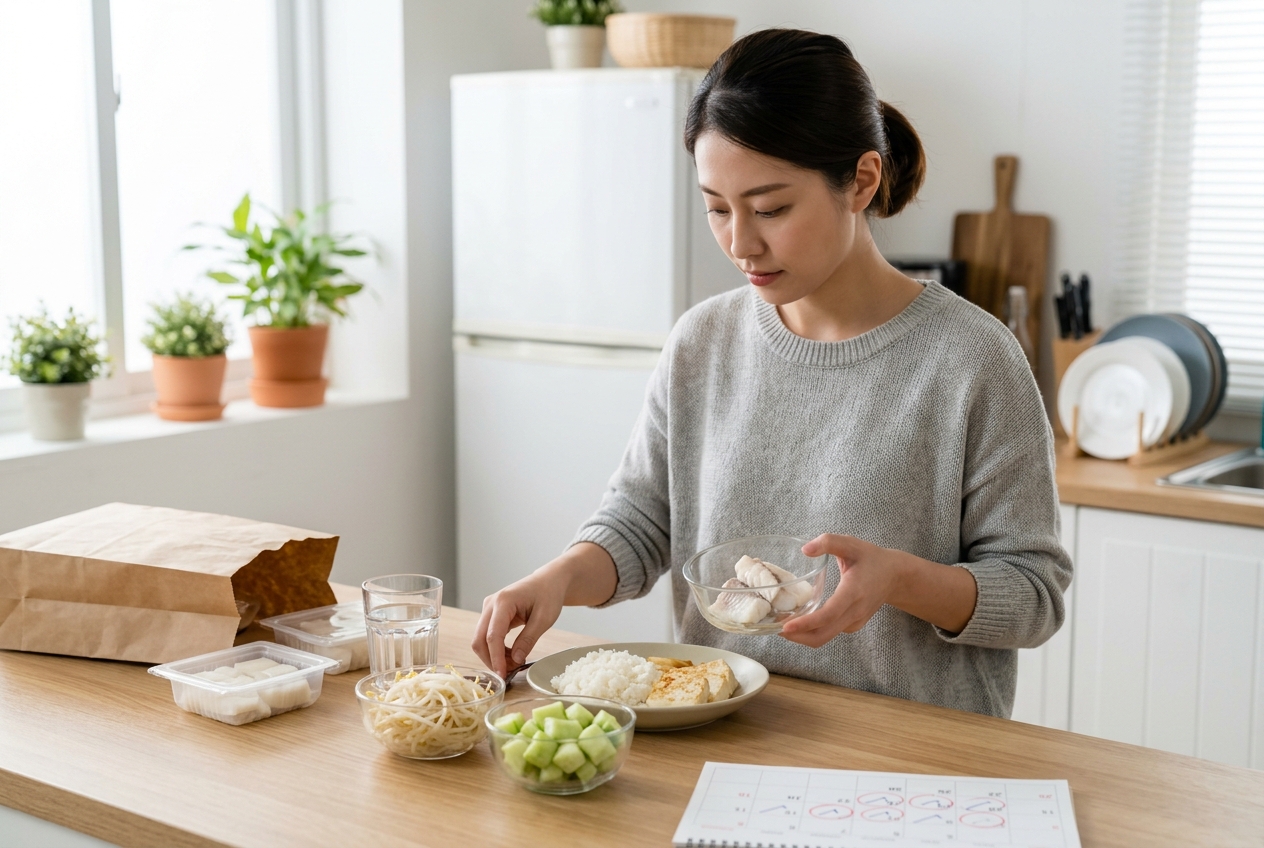
The reason for managing your diet before a colonoscopy is to ensure there is no residue left inside the colon. If food particles remain, it is difficult for the doctor to accurately observe the colon lining. In particular, fruits with seeds and fiber-rich vegetables stick to the colon wall and are hard to remove, which is a primary cause of missed polyps or inaccurate diagnoses during the exam.
Generally, the principle is to maintain a 'low-residue diet' starting 3 days before the exam. This involves choosing foods that are digested quickly and leave almost no residue as they pass through the bowel. While it may seem like you are simply starving yourself, it is actually a strategic approach to clearing the bowel while consuming sufficient nutrients from permitted foods.
Diet management is not just about enduring the pain of hunger, but a preparatory process to ensure a clear view. Keep in mind that the multi-grain rice, vegetables, and fruits you usually eat for health can actually be detrimental on the day of the exam. While bowel prep medication is designed to flush out the colon, fiber-rich foods stick to the colon wall and neutralize the effect of the medication. Therefore, starting 3 days before the exam, you should simplify your diet to create an environment where the bowel can empty itself.
List of Foods to Avoid Starting 3 Days Before
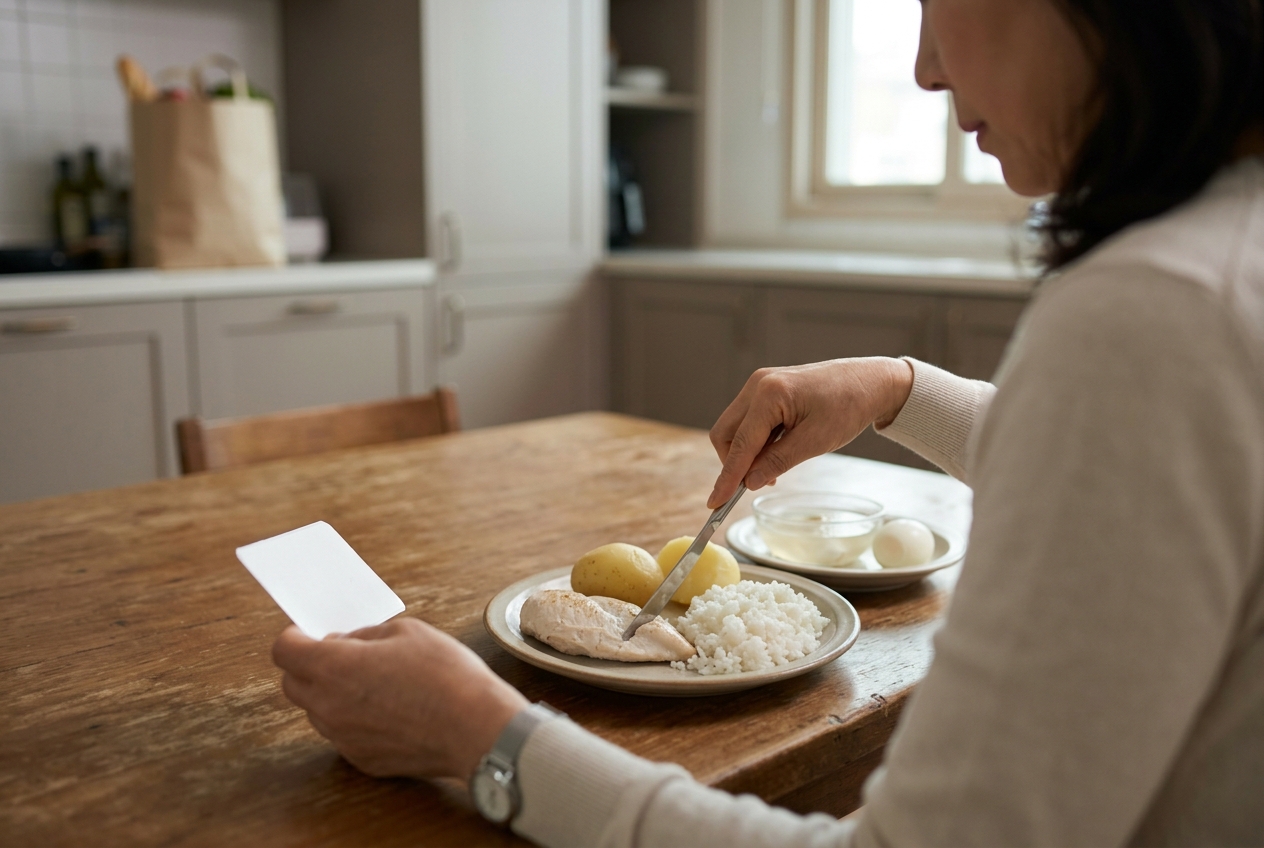
The first things to be cautious of are 'foods with a high likelihood of remaining in the bowel.' Although these are fiber-rich and usually good for bowel health, they must be avoided before a colonoscopy.
- Multi-grains: Rice mixed with brown rice, barley, black rice, beans, red beans, corn, oats, etc., is strictly prohibited.
- Vegetables: Fiber-rich vegetables such as kimchi, seasoned vegetables (namul), seaweed (miyeok), kelp, laver, green onions, onions, mushrooms, and bracken are difficult to digest and remain on the colon wall.
- Fruits with seeds: Fruits with seeds such as watermelon, oriental melon, grapes, kiwi, strawberries, tomatoes, oranges, and apples (including skin) are very difficult to wash away as they stick to the colon lining.
- Nuts: Nuts such as peanuts, walnuts, almonds, pine nuts, and sesame seeds can also remain in the bowel for a long time.
These foods are expelled slowly through bowel peristalsis and remain in the form of particles between the folds of the colon lining. If you ignore this and consume them, no matter how much bowel prep medication you take on the day of the exam, the colon wall may not be cleaned thoroughly, potentially leading to the procedure being stopped or requiring a re-examination. In particular, seeds pose a risk of clogging the suction port of the endoscope, which is a major hindrance to the medical staff. Additionally, foods containing chili powder can distort the color of the mucosa, so it is best to avoid them.
Recommended Diet 2-3 Days Before the Exam
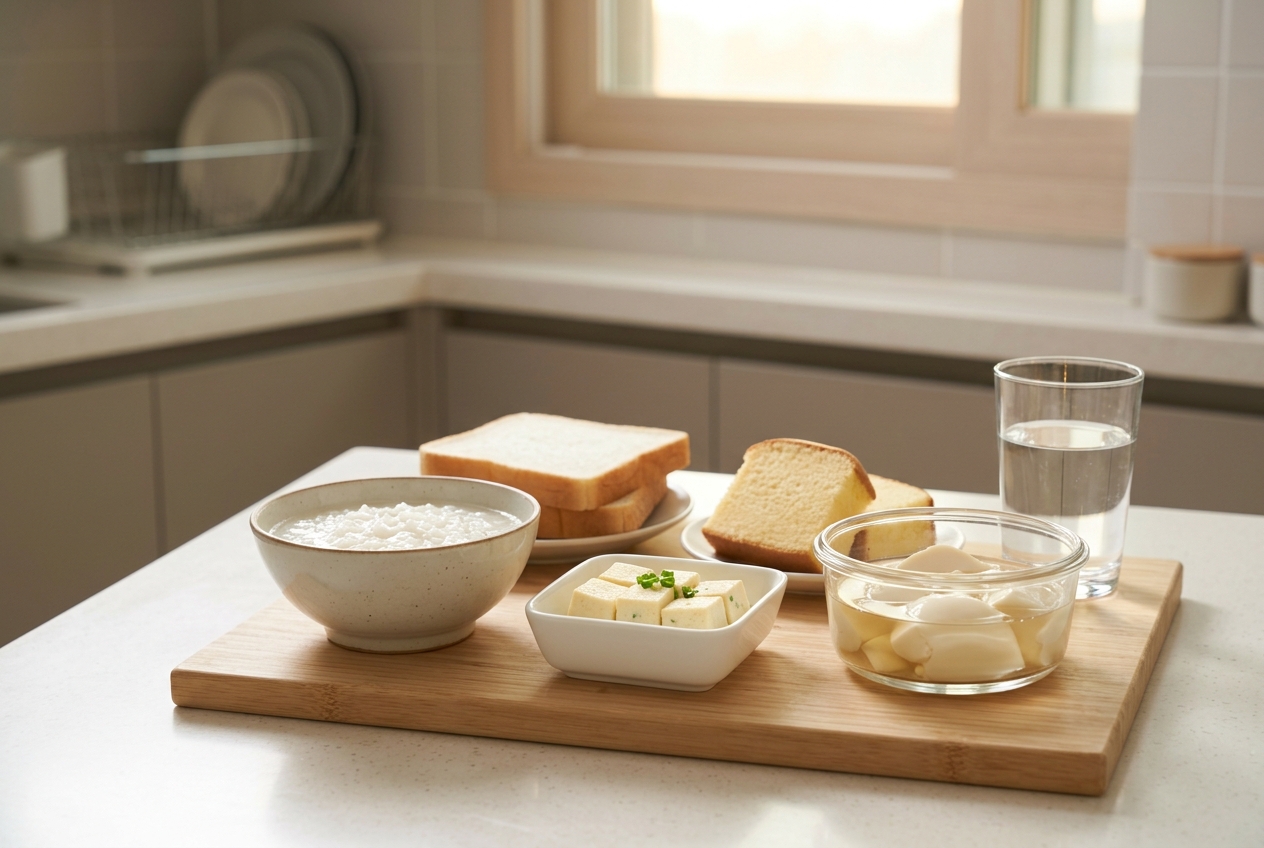
So, what should you eat? The best diet consists of 'soft and easily digestible foods.' It is recommended to compose a diet based on white-colored foods that leave almost no residue during digestion.
- Staple foods: White rice, white porridge, white bread (without jam), castella cake, thin rice porridge, noodles without toppings (e.g., somyeon).
- Side dishes and snacks: Steamed eggs, tofu, soft tofu, clear broth (without solids), fish fillets (deboned), chicken (lean meat only).
- Beverages: Water, barley tea, sports drinks (colorless).
For example, a diet of white porridge for breakfast and white rice with steamed eggs for lunch is good. A light meal of clear broth with tofu for dinner is sufficient. The important point here is not to season the food too heavily. Since spicy or strong seasonings can irritate the bowel, it is desirable to cook as blandly as possible. Also, milk or dairy products should be avoided as they can leave residue during digestion.
Many people worry, 'Won't I have no energy if I eat this little?' but you can easily go about your daily life with a light diet for 2-3 days. In fact, not overeating is much more advantageous for clearing the bowel. Reducing your food intake to 70% of your usual level helps with bowel preparation. Also, since greasy fried foods or animal fats slow down digestion, choose cooking methods like boiling or steaming whenever possible.
Precautions for the Day Before the Exam
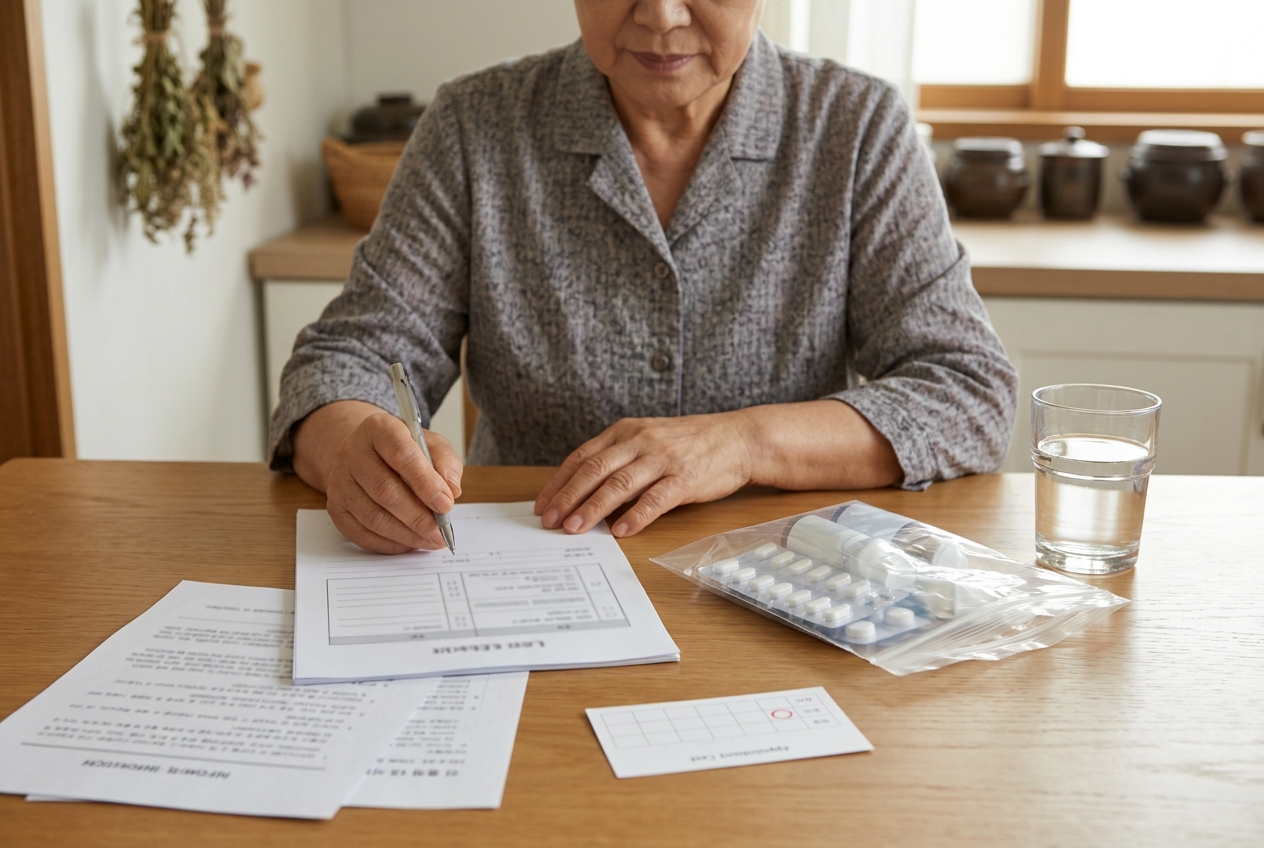
The day before the exam is the final peak of diet management and the day that requires the most caution. Generally, many people maintain a light low-residue diet until lunch the day before and begin fasting from dinner. However, since the time for taking bowel prep medication and dietary guidelines may vary by hospital, you must prioritize the instructions provided by your medical institution.
It is best to finish your dinner as early as possible and keep it very light. If you eat dinner late or consume greasy food, digestion will be delayed, increasing the likelihood that food will remain in the bowel until the next morning. Drink plenty of water, but strictly limit all food and drink intake, including water, on the morning of the exam. Some hospitals prohibit additional water intake beyond the prep medication on the morning of the exam, so be sure to follow the guidelines.
Also, if you are taking medication for chronic diseases such as diabetes or hypertension, you must consult your doctor about whether to stop or continue taking the medication before the exam. In particular, drugs such as aspirin or antiplatelet agents (warfarin, clopidogrel, etc.) can increase the risk of bleeding if polyps are removed during the endoscopy, so a specialist's judgment is essential in advance. For diabetic patients, there is a risk of hypoglycemia during fasting, so it is important to inform the clinic when booking the exam. Be sure to check in advance whether you should take insulin or oral hypoglycemic agents.
Common Mistakes and Prevention
The most common mistake is the misunderstanding about 'healthy foods.' People often overlook the fact that a diet centered on whole grains or vegetables, which are usually considered good for the body, can actually be a hindrance right before the exam. Also, there are cases where people eat fruits with seeds, thinking, 'It was fine yesterday, so a little bit today will be fine.' You must always be vigilant that even a single tiny seed can block the endoscopic view and cause important lesions to be missed.
Another mistake is insufficient water intake. When taking bowel prep medication, you must drink a large amount of water to effectively clear the bowel. If you only take the medication without drinking enough water, not only will the cleansing effect be reduced, but you may also experience dehydration. It is important to drink the instructed amount of water at the designated times. Be careful, as drinking too quickly can induce vomiting. When drinking water, it is more effective to drink it in portions over 10-20 minutes rather than gulping it down all at once to reduce nausea.
Finally, as a rule, do not consume any drinks or food on the morning of the exam. While some cases allow drinking water until just before the exam, guidelines vary by hospital, so do not make decisions on your own; following the provided precautions is the safest approach. In particular, it is recommended to use public transportation on the day of the exam and be accompanied by a guardian. If you are undergoing a sedated endoscopy, driving on the day of the exam is strictly prohibited. After the exam, your gastrointestinal tract will be irritated, so start with porridge or soft foods to lighten the burden on your digestive system.
While the preparation process for a colonoscopy may feel cumbersome and difficult, it is the most efficient investment for protecting your health. We hope you prepare calmly so that you can clear your bowel through 3 days of diet control and receive a more accurate exam. Thorough preparation leads to an accurate diagnosis.
Frequently Asked Questions
Why should I not eat multi-grain rice starting 3 days before?
Beans, brown rice, barley, etc., contained in multi-grain rice are not easily digested and stick to the colon wall, obscuring the view during a colonoscopy. You should eat white rice or white porridge starting 3 days before to observe the inside of the colon clearly.
When should I finish dinner the day before the exam?
Guidelines vary by hospital, but generally, lunch the day before the exam should be a light low-residue meal, and dinner should be very light or skipped entirely. Be sure to check the instructions provided by the hospital where you will have the exam.
Can I continue to drink water before the exam?
You must drink plenty of water while taking bowel prep medication to prevent dehydration. However, on the day of the exam, you must fast after a certain time according to hospital instructions, so you must follow the guidelines.
I am taking blood pressure medication; should I take it on the day of the exam?
Whether to stop taking chronic disease medication depends on the type of exam and whether polyps are removed. In particular, you must consult your doctor in advance to decide whether to stop taking antiplatelet agents or aspirin.