A sudden sharp or dull pain in the left flank during daily life can be unsettling. Many people easily dismiss it as simple muscle soreness, but because the human body is a complex structure packed with organs, pain can sometimes be a crucial signal from your body. The flank area refers to the space between the lower ribs and the top of the pelvis, where vital organs such as the stomach, pancreas, spleen, kidneys, and colon are located.
While simple muscle fatigue can naturally recover with sufficient rest and warm compresses, you should observe carefully if the pain is not localized to a specific area or does not subside over time. In this article, we have detailed the main causes of left flank pain, self-assessment criteria, and situations where you should seek immediate medical attention.
Basic Understanding and Anatomical Location of Left Flank Pain

To accurately understand left flank pain, you must first identify the anatomical location of this area. The stomach, pancreas, and spleen are located in the upper left abdomen and flank, while the left kidney and ureter pass through the posterior abdominal wall. Additionally, the descending colon runs down along the left flank.
Muscle pain typically occurs after poor posture, sudden movements, or strenuous exercise, and is characterized by pain that becomes more pronounced when pressing the area or twisting the body. Conversely, issues with internal organs often involve persistent pain regardless of posture, or are accompanied by systemic symptoms such as indigestion, bowel dysfunction, high fever, or chills. In particular, visceral pain is often difficult to pinpoint and may present as 'referred pain' that spreads to surrounding areas. Distinguishing whether the nature of the pain is dull, sharp, or cramping is the first step in diagnosis.
Detailed Analysis of Main Causes and Suspected Conditions
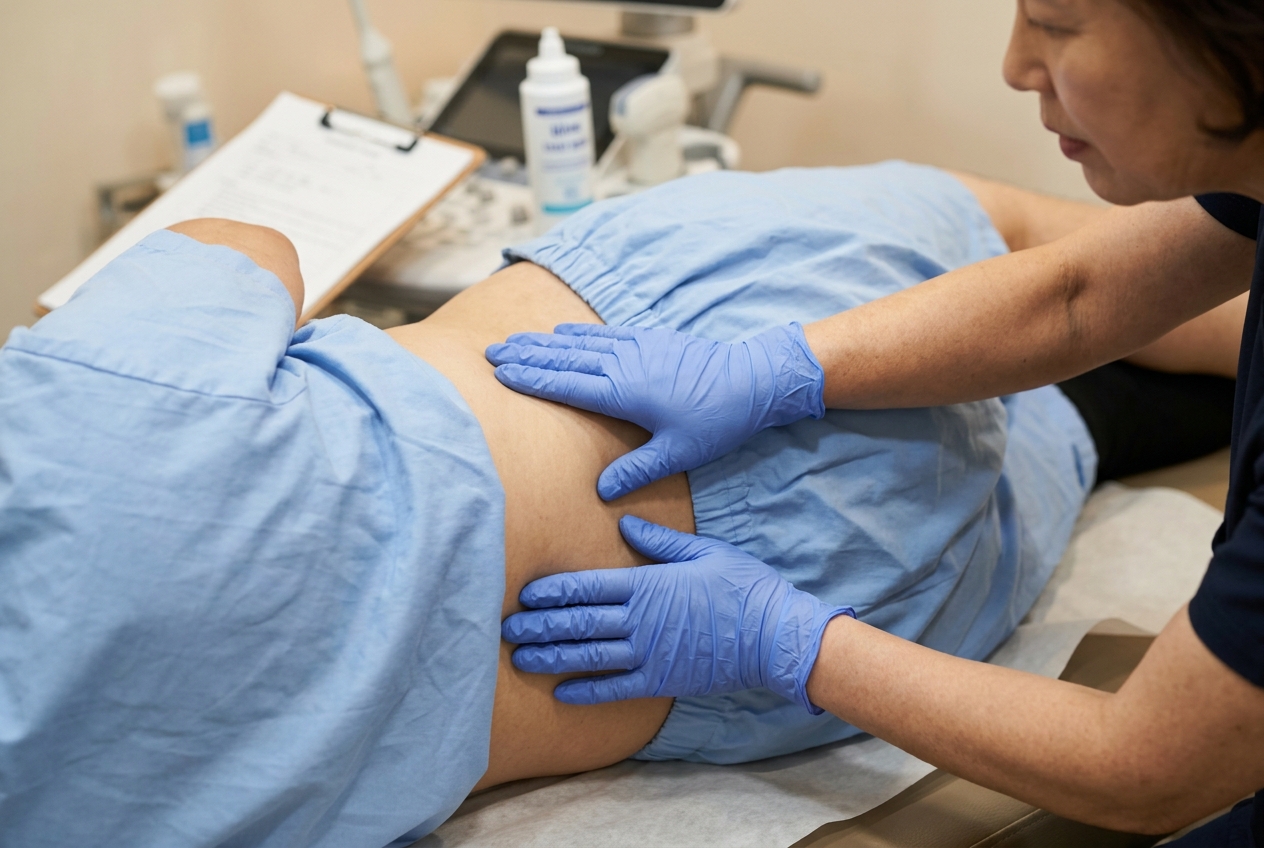
Left flank pain can be a signal of various conditions. Let's look at the representative causes.
1. Musculoskeletal Disorders
Pain occurs when flank muscles or intercostal muscles are strained from sitting for long periods in poor posture or suddenly lifting heavy objects. It often improves within a few days with stretching or rest.
2. Pancreatitis
The pancreas is an organ located deep in the abdomen. When inflamed, it causes referred pain that starts near the solar plexus and radiates to the left flank and back. Pain often worsens after meals or feels more uncomfortable when lying down.
3. Kidney and Urinary Stones
When stones form in the kidneys or ureters, they block the flow of urine, causing severe pain. It is often described as a 'squeezing' pain in the flank, and the intensity is so high that it may be accompanied by cold sweats or vomiting.
4. Colon-related Diseases and Constipation
Excessive gas or stool retention in the left colon causes a dull, uncomfortable feeling. Additionally, inflammatory bowel diseases or diverticulitis can also cause left lower abdominal and flank pain.
Checklist by Condition
Please check the items below to see if the pain you are currently experiencing is simple muscle soreness or an internal medical condition.
- Does the pain only worsen when performing specific movements (twisting or bending the waist)? (Possible musculoskeletal issue)
- Are you experiencing fever or chills along with the pain? (Possible inflammatory disease)
- Is there pain when urinating, or has the urine changed color or become bloody? (Possible urinary system issue)
- Are you experiencing indigestion, nausea, or vomiting? (Possible digestive system issue)
- Does the pain feel like it is radiating to the back? (Possible pancreas or kidney issue)
- Does the pain worsen at specific times? (After meals, at night, etc.)
- Have you experienced recent rapid weight loss or loss of appetite?
If you checked 2 or more of the above items, do not dismiss it as simple muscle soreness and be sure to visit a medical institution for a professional diagnosis.
Checkpoint: Classification Criteria Based on Pain Patterns
Understanding the nature of the pain is very helpful for diagnosis. Sharp, stinging pain is likely neuralgia or muscle spasms. Conversely, dull, squeezing pain is more likely due to organ distension or obstruction caused by stones. Also, if the pain follows a pattern of appearing and disappearing periodically, you should strongly suspect conditions like urinary stones. Conversely, if the pain is persistent and increases in intensity over time, you should suspect acute inflammation or infection.
Warning Signs Requiring a Hospital Visit

Many people endure pain and end up worsening their condition. You should visit a medical institution immediately if you fall into the following situations. First, if the intensity of the pain increases over time. Second, if the pain is not relieved at all by general painkillers or is severe enough to prevent you from sleeping, it is highly likely to be an acute internal condition.
Third, if accompanied by bloody stool, bloody urine, high fever, cold sweats, or dizziness, this may be an emergency situation beyond simple pain. Especially for the elderly, the sensation of pain may be dulled, so it is safer to get checked even for minor discomfort if it feels different from usual. If your blood pressure drops rapidly or you become confused, you should head to the emergency room without delay.
Daily Management and Precautions
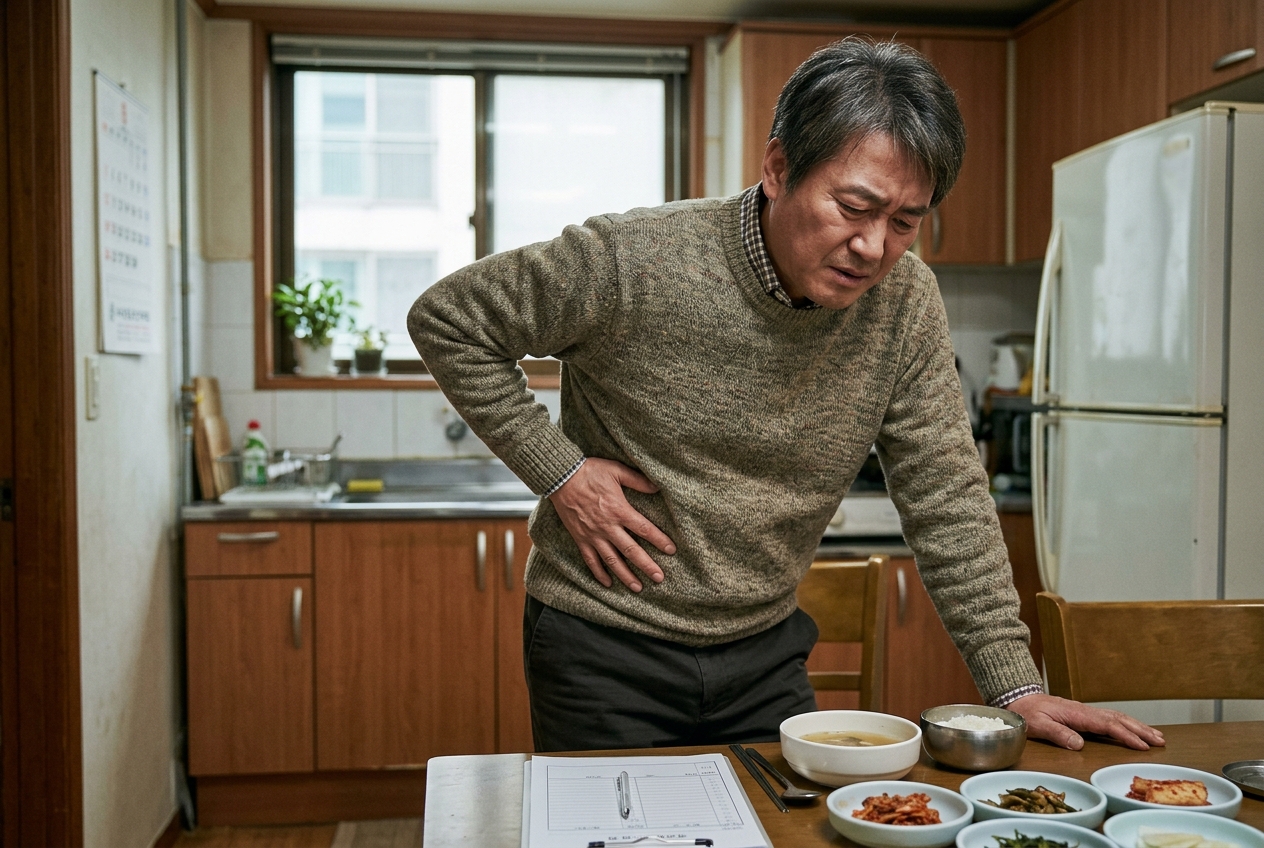
If the pain is very mild and you are certain it is muscle soreness, sufficient rest and warm compresses can be helpful. However, if it does not improve after 3 days, this is no longer a problem that can be solved by rest alone. Avoiding strenuous exercise and correcting your posture can reduce muscle-related pain. When sitting in a chair, keep your back against the backrest and avoid crossing your legs.
The most important thing is not to ignore the signals your body sends. Since the left flank is closely related to the digestive and urinary systems, managing your diet and staying hydrated are the basics of prevention to protect kidney function. When visiting the hospital, it is very helpful to record when the pain started, what form it takes (stinging, dull, squeezing), and what accompanying symptoms exist. Keeping a pain diary is also a good method. Recording whether certain foods trigger pain or if certain postures alleviate it provides crucial clues for medical staff to make an accurate judgment.
All health information is for reference only, and an accurate diagnosis must be made through consultation with a doctor. Especially for those with chronic diseases or the elderly, we recommend visiting a hospital for necessary tests rather than judging symptoms yourself. Prevention is the best medicine, and you need the attentiveness not to miss even small warning signs. By developing the habit of observing your own body, you can prevent more serious illnesses in advance.
Frequently Asked Questions
Which department should I visit for left flank pain?
Initially, it is recommended to visit internal medicine to check for abnormalities in internal organs through abdominal ultrasound or blood tests. Depending on the pattern of pain, you may be referred to urology or orthopedics.
How do I distinguish between simple muscle soreness and pain caused by internal disease?
Muscle soreness changes depending on specific postures or movements, whereas internal disease pain often persists regardless of posture or is accompanied by other symptoms such as indigestion or fever.
Why does the flank feel stinging?
It could be nerve stimulation due to muscle fatigue, or stinging pain can occur when nerves are irritated by acute inflammation or blockages, such as kidney stones or urinary stones.
Is it okay to use warm compresses?
For simple muscle soreness, warm compresses help blood circulation and relieve pain. However, if you have an inflammatory disease or do not know the exact cause, be careful as it may worsen the symptoms.