When you come across recent news or health information, you may frequently encounter the term 'pertussis' (whooping cough). While it is easy to think of it as a disease that only affects children, it is actually a respiratory infectious disease that can occur at any age. It can be particularly dangerous for infants with weak immune systems, making vaccination for adults around them more important than ever. Today, we will take a detailed look at why pertussis vaccination is necessary, when you should get it, and what precautions to take.
What is Pertussis and Why is it Dangerous?

Pertussis is an acute respiratory disease caused by the bacterium 'Bordetella pertussis.' As the name suggests, it implies that symptoms are severe enough to cause coughing that lasts for up to 100 days. It begins with common cold symptoms such as runny nose, sneezing, and mild fever, but as time passes, it develops into paroxysmal coughing, sometimes accompanied by difficulty breathing or vomiting. These coughing fits tend to worsen at night, and a characteristic 'whoop' sound is often heard at the end of a coughing fit.
In adults, pertussis may pass as a mild cough or a common cold. The problem is that you can transmit the bacteria to children or the elderly with low immunity without even realizing you are infected. Infants who have not completed their vaccinations are at high risk of serious complications such as apnea, pneumonia, and brain damage if they contract pertussis. Therefore, adult vaccination to block transmission within the community is a social responsibility that goes beyond personal health.
Pertussis is transmitted via droplets. The bacteria travel through small saliva droplets expelled when a patient coughs or sneezes. Infection can occur through direct contact with a patient or by touching objects used by a patient and then touching your mouth or nose without washing your hands. The difficulty in managing pertussis lies in the fact that it is most contagious during the early stages of infection when symptoms are mild. Therefore, building immunity through vaccination before symptoms appear is the most effective defense.
Pertussis Vaccination Guidelines for Adults
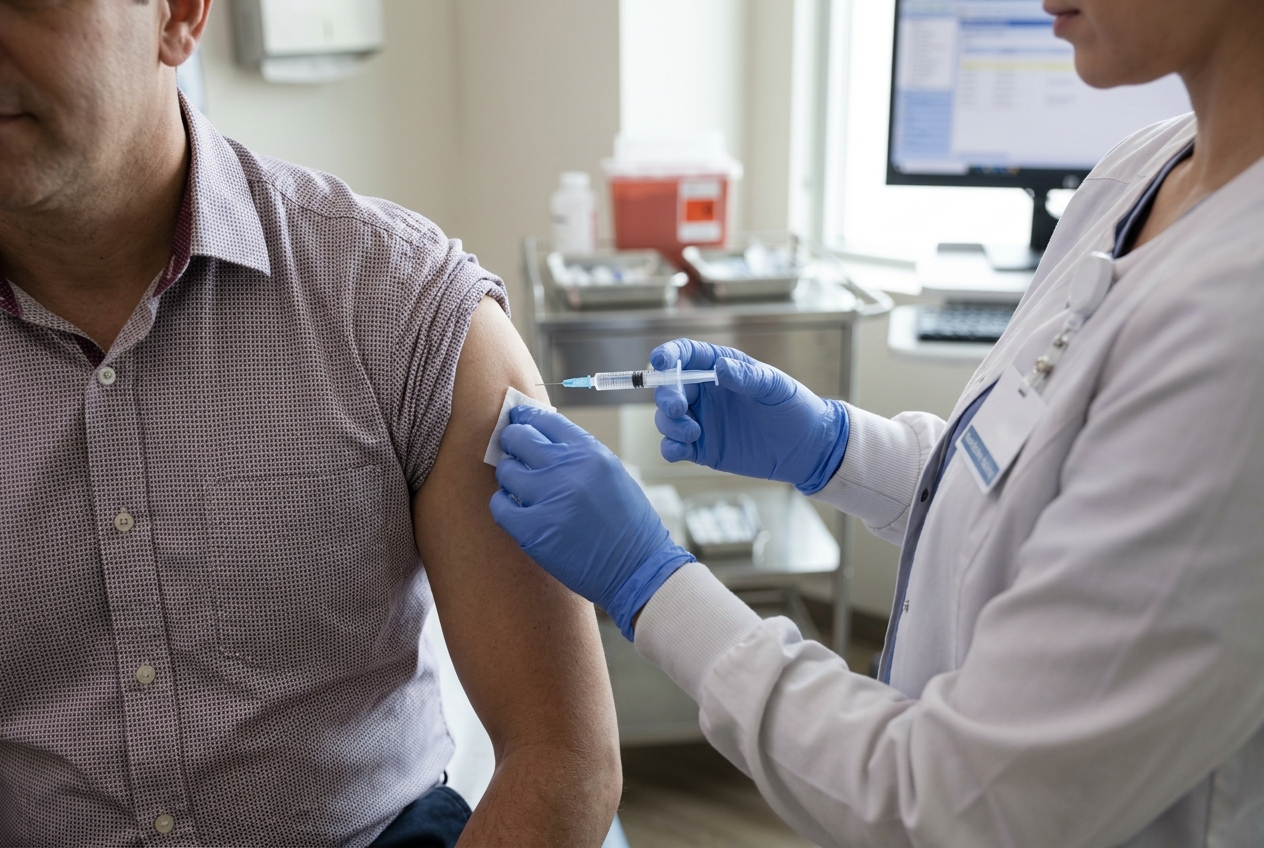
Even if adults received basic vaccinations in childhood, immunity gradually wanes over time. The Korea Disease Control and Prevention Agency (KDCA) recommends that adults also receive the Tdap (tetanus, diphtheria, and pertussis) vaccine. In the past, only Td (tetanus and diphtheria) vaccinations were considered important, but as pertussis outbreaks recur, the necessity of Tdap vaccination is being emphasized.
For the general adult population, it is recommended to receive a booster dose of Tdap or Td vaccine every 10 years. In particular, the following groups should prioritize vaccination: First, parents, grandparents, and childcare workers who have close contact with infants are essential for protecting them. Second, healthcare workers are at high risk due to the nature of their jobs and must be vaccinated. Third, those planning to visit regions where pertussis is prevalent. Fourth, high-risk groups suffering from chronic respiratory diseases.
What are the criteria for choosing an adult vaccine? The most important factor is your past vaccination history. For adults who have completed the DTaP primary series, a single Tdap booster every 10 years is the standard. If your past vaccination history is uncertain, infectious disease experts recommend prioritizing a Tdap-containing vaccine. This is an efficient way to gain protection against tetanus and diphtheria as well as pertussis. Especially for the elderly, whose immune systems may weaken, it is a good habit to mark regular vaccination schedules on your calendar.
The Relationship Between Pregnancy and Pertussis Vaccination

For pregnant women, pertussis vaccination is not a choice but a mandatory recommendation. When a pregnant woman is vaccinated, antibodies are transferred to the fetus through the placenta. This is called 'passive immunity,' and it plays a crucial role in protecting the baby during the gap between birth and when they can form their own antibodies after receiving their first vaccine. Newborns cannot receive their first vaccination until they are 2 months old, so the mother's antibodies fill this gap.
Experts recommend receiving the Tdap vaccine between 27 and 36 weeks of gestation during every pregnancy. Vaccination during this period ensures the highest level of antibody transfer to the fetus. If you missed the vaccination during pregnancy, you should get it immediately after childbirth to block the transmission route through contact with the newborn. This is one of the most effective ways to save your child's life. Numerous clinical studies have verified that vaccination during pregnancy is safe for the fetus, so you can get vaccinated with peace of mind.
The process for pregnant women is simple. Ask your obstetrician if Tdap vaccination is available and schedule it according to your gestational age. After vaccination, it is recommended to drink plenty of water and get enough rest. If a mild fever occurs, consult your doctor about whether to take antipyretics. It is also recommended that family members who will be caring for the newborn practice the 'Cocooning strategy' by completing their Tdap vaccinations before the birth. This has the effect of surrounding the newborn with an environment of immunity.
Precautions and Managing Side Effects Before and After Vaccination

Since vaccination is the process of artificially creating antibodies in our bodies, some discomfort may follow. On the day of vaccination, avoid strenuous exercise or excessive alcohol consumption and get plenty of rest. Pain at the injection site, swelling, mild muscle aches, or a low-grade fever may occur, but these usually disappear naturally within 1 to 2 days. These reactions are signs that your body is responding to the vaccine and strengthening its immune system.
If a high fever of 38°C or higher persists, or if the injection site is severely swollen and the pain does not subside, you should visit a medical institution immediately. Also, if you have a history of severe allergic reactions (anaphylaxis) to vaccine components, you must consult a doctor before vaccination to ensure safety. Checkpoints before vaccination include underlying conditions, current medications, and recent vaccination history. Providing this information in detail to medical staff allows for a safer vaccination. Especially if you have chronic diseases, it is safe to stay at the medical facility for about 30 minutes after vaccination to observe for acute reactions.
The benefits of vaccination far outweigh the vague fear of side effects. If complications occur, pertussis requires hospitalization and causes significant disruption to daily life due to prolonged coughing. Always keep in mind that even if it is mild for an adult, it can become a link in social transmission. Pain or mild fever can be sufficiently managed by using antipyretics appropriately. After vaccination, do not rub the injection site and keep it clean. A light shower is fine, but it is best to avoid saunas or intense exercise for a few days.
Checking Vaccination Records and Taking Action
Checking your vaccination history is simple. You can log in with your digital certificate on the 'Vaccination Assistant' website or app operated by the Korea Disease Control and Prevention Agency to view your vaccination history at a glance. If there are no records or the date of your last vaccination is unclear, it is wise to visit a nearby clinic or public health center to consult with a doctor and plan your vaccination. It is better to check official records than to rely on memory to prevent duplicate vaccinations or omissions.
Pertussis requires thorough personal hygiene along with vaccination. Covering your mouth with your sleeve when coughing and washing your hands under running water for more than 30 seconds are the basics for preventing not only pertussis but also various respiratory diseases. It is also important to ventilate indoor spaces frequently to lower air pollution levels. Especially during seasonal changes or outbreak periods, it is recommended to avoid crowded, enclosed spaces and wear a mask. After returning home, it is good practice to wash your hands immediately and remove any contaminants that may be on your clothes.
- Have you received a Tdap vaccination within the last 10 years?
- Are there infants or pregnant women in your family?
- Have there been any cases of pertussis in your vicinity?
- Do you consult about vaccines during your annual health check-up?
- Do you keep and manage your vaccination record book separately?
Health saves the most cost and effort when prevented. Pertussis vaccination is the most certain preventive measure to protect not only yourself but also your loved ones and neighbors. Based on the information mentioned today, check your vaccination status and consult a nearby hospital if necessary. This information provides general health guidelines; since vaccination eligibility may vary depending on individual underlying conditions or health status, please consult a specialist. The first step to protecting a healthy daily life starts with vaccination. Access the Vaccination Assistant website right now to check your vaccination history.
Frequently Asked Questions
How many times should an adult get a pertussis vaccine?
It is recommended that adults receive a booster dose of Tdap or Td vaccine every 10 years after the primary series. Tdap is prioritized for adults who have frequent contact with infants.
When should pregnant women get the pertussis vaccine?
It is most effective to receive the vaccine between 27 and 36 weeks of gestation during every pregnancy. This transfers antibodies to the fetus, helping to form early immunity after birth.
Do I need to get vaccinated again if I had it when I was young?
The immune effect of the pertussis vaccine gradually decreases over time. Therefore, it is recommended to maintain immunity through periodic booster shots even after becoming an adult.
Are there any side effects after the pertussis vaccine?
Pain at the injection site, redness, or mild fever may occur, but most are temporary. However, if a high fever or severe allergic reaction occurs, you should visit a medical institution immediately.
Where can I check my vaccination records?
You can easily check your vaccination records on the Korea Disease Control and Prevention Agency's Vaccination Assistant website or mobile app.