When winter or the changing seasons arrive, the inevitable gas bill places a significant burden on household finances. Many people worry and hesitate to turn on the heat because the cost rises sharply even with a slight increase in indoor temperature. However, reducing gas bills is not just about cutting usage; it is about blocking energy waste and adopting habits that improve efficiency. Today, we will identify the culprits draining your gas budget and explore specific, expert-recommended energy management methods.
Temperature Control Strategies to Maximize Boiler Efficiency
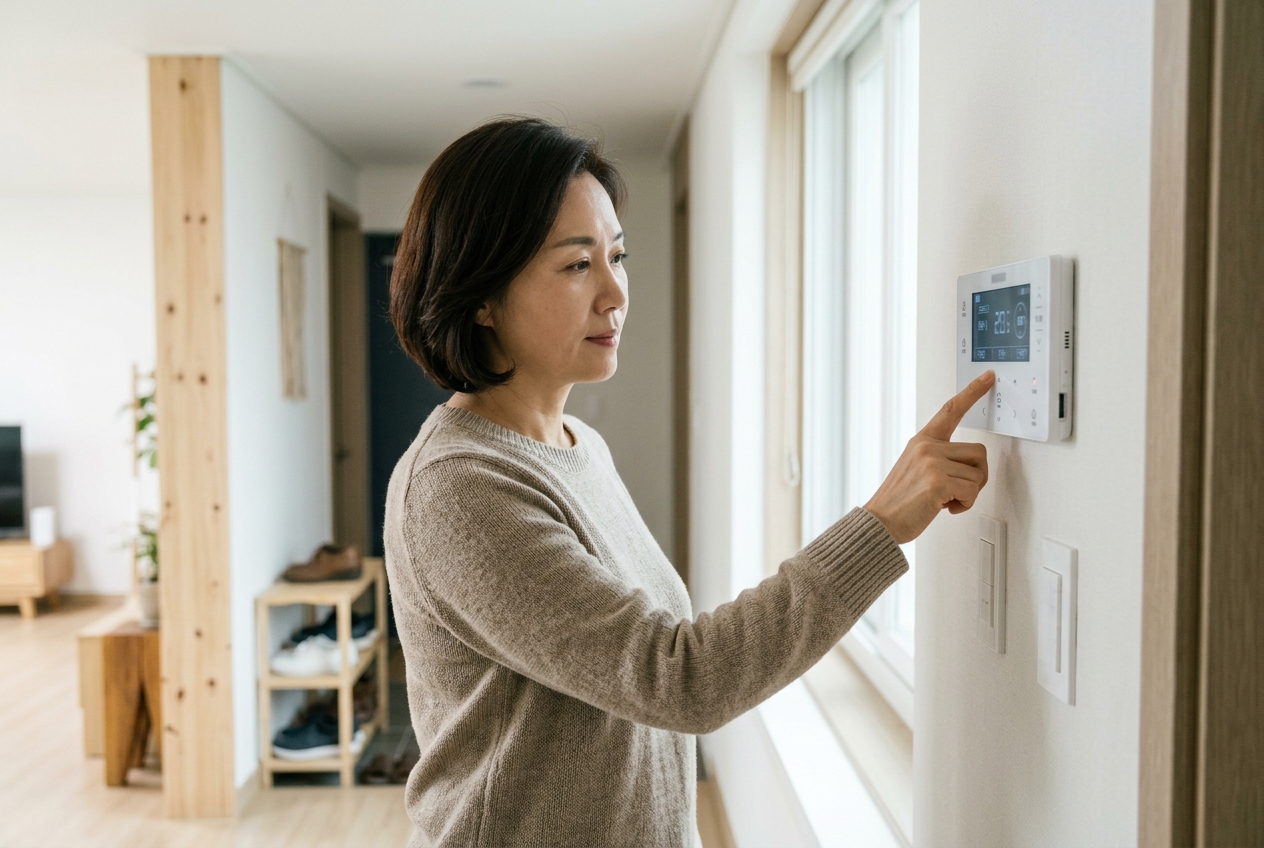
Heating accounts for the largest portion of gas bills. Turning the boiler on and off indiscriminately actually consumes more energy during restart, as the boiler uses the most fuel when reaching the set temperature. When going out, it is much more economical to set the temperature 2–3 degrees lower than usual or use 'Away' mode rather than turning it off completely. In winter, minimal operation is also essential to prevent pipe freezing.
Maintaining an optimal indoor temperature between 18–20°C can significantly reduce heating costs. Remember that for every 1-degree increase, gas usage rises by approximately 7%. Also, the method of heating water matters; be careful about closing valves in unused rooms. Due to the hot water circulation structure, closing a valve completely can reduce overall circulation efficiency and halve the heating effect. Instead, it is wiser to adjust the valve halfway to allow warmth to spread evenly.
Utilizing the boiler's 'Reservation' function is also a good method. Setting it to run for 20–30 minutes every 3–4 hours keeps the indoor temperature consistent while preventing unnecessary overheating. Especially at night, when temperatures drop, using reservation mode prevents the boiler from running excessively in the early morning. If the boiler controller is located in a drafty area, it may perceive the temperature as lower than it actually is, causing it to run continuously, so be careful not to obstruct the area around the temperature sensor.
Increasing Perceived Temperature Through Humidity Control
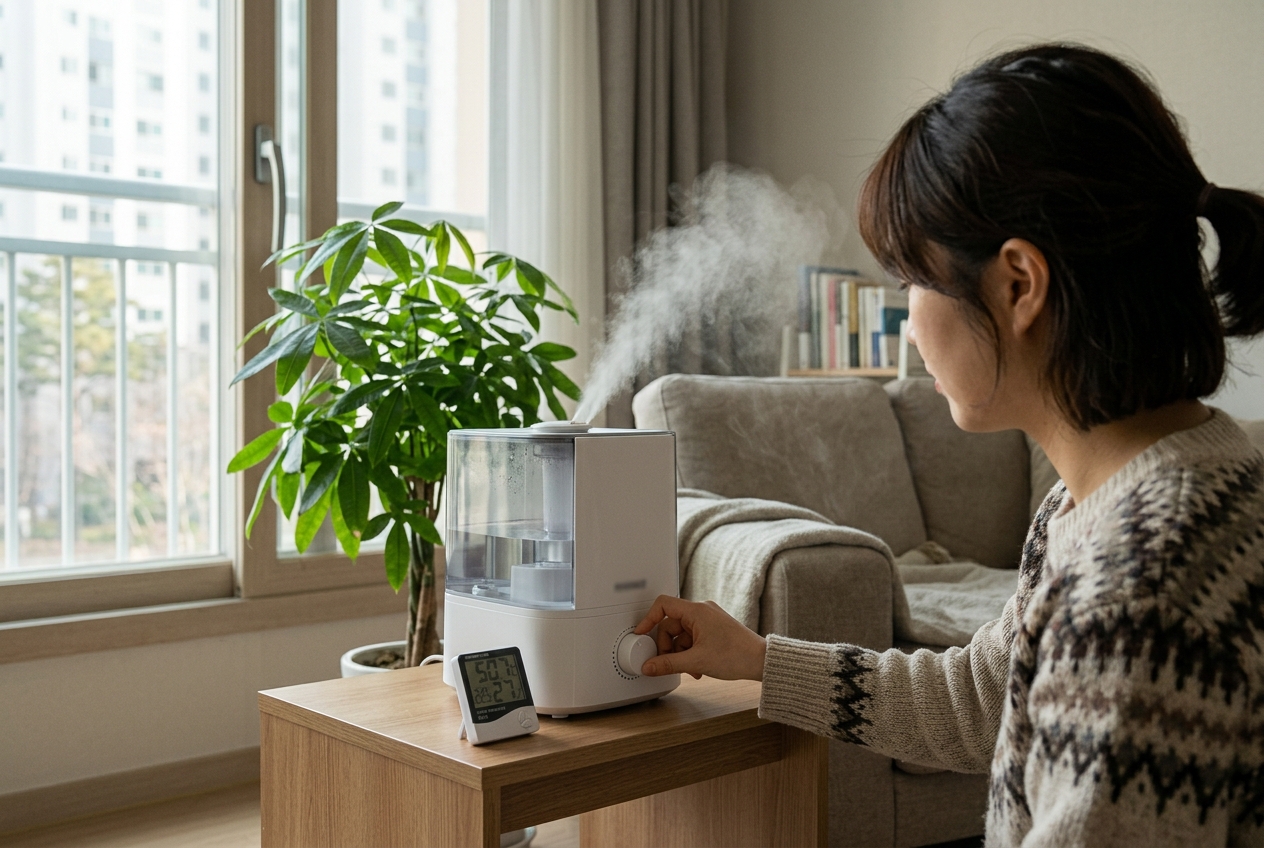
Maintaining indoor humidity between 40–60% facilitates air circulation and increases heat transfer efficiency. Simply using a humidifier or hanging wet towels can make the room feel warmer, which helps in lowering the boiler's set temperature. This is a scientifically proven method, utilizing the property that humid air retains heat longer than dry air. Since low humidity is also bad for skin and respiratory health, maintaining optimal humidity is a strategy that kills two birds with one stone: saving on heating costs and managing health. Placing houseplants or a fish tank indoors can also help with natural humidity control.
Blocking Drafts: Checking the Basics of Insulation
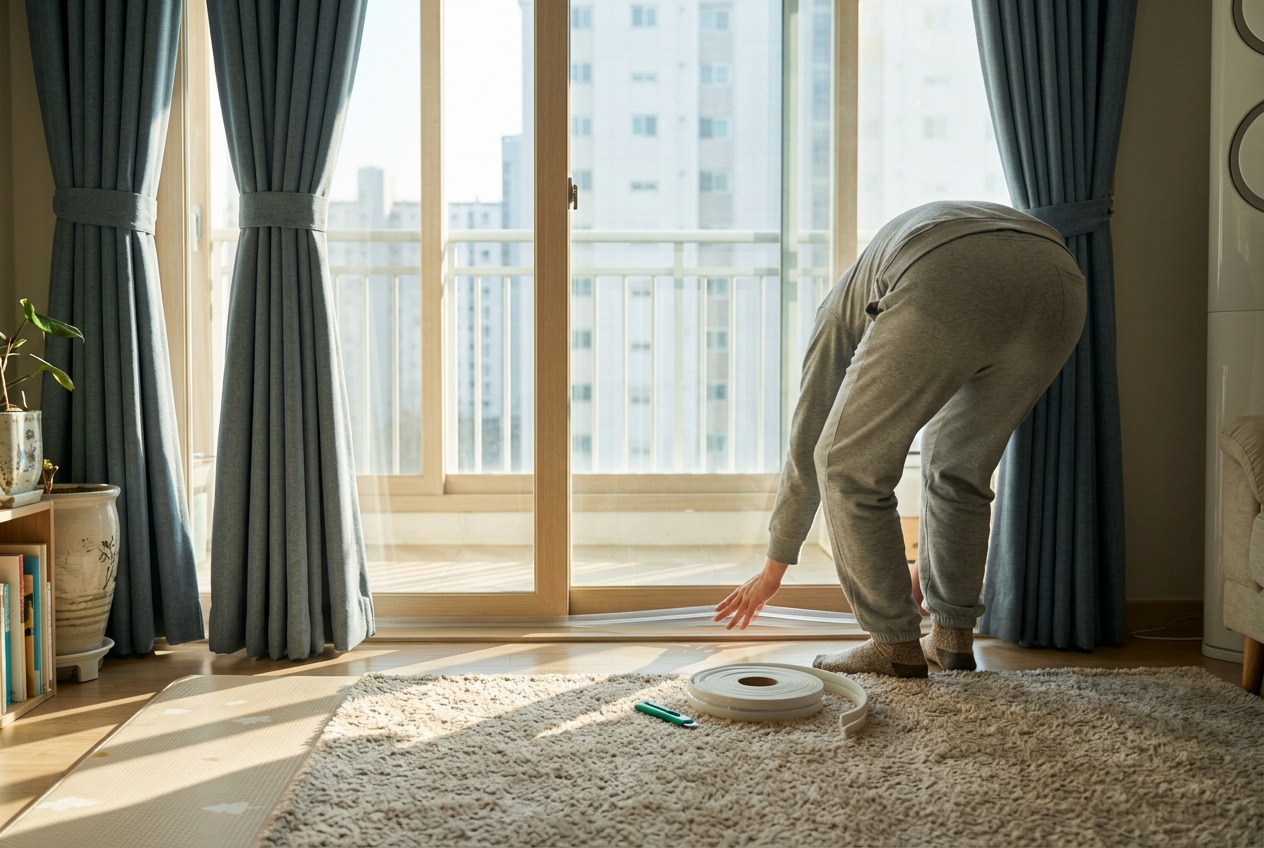
No matter how high you turn up the boiler, if cold air enters the house, it is like pouring water into a bottomless pit. Drafts coming through window gaps or the bottom of the front door are the main culprits for rapidly dropping indoor temperatures. Using weather stripping or gap-sealing tape to block outside air can raise the indoor temperature by 2–3 degrees.
Additionally, installing thick curtains is a highly effective insulation method. During the day when the sun is out, open the curtains to let sunlight warm the room, and close them after sunset to trap heat and prevent it from escaping through the windows. Keep in mind that curtains are not just decorative elements but important tools for energy conservation. Blackout or thermal curtains are particularly excellent at forming an air layer that protects the indoor temperature from cold glass surfaces.
Don't forget to block the cold from the floor. Laying down carpets or rugs can suppress heat loss through the floor and preserve warmth. This is especially effective in places with severe floor cold, such as detached houses or low-rise apartments. Furthermore, laying down insulation mats can also provide noise reduction benefits for families with children.
Using Insulation Film and Bubble Wrap
Bubble wrap applied to glass windows is excellent for forming an air layer to block outside cold. However, when applying bubble wrap, it is most effective to cover more than 80% of the window surface rather than just a small portion. Using transparent insulation film can provide insulation effects without obstructing your view. Many insulation films also come with UV protection, making them useful items all year round. It is important to clean the window thoroughly before application and use a spray bottle to ensure it adheres tightly without air bubbles.
Capturing Gas Waste in the Kitchen
Gas stove habits also have a surprisingly large impact on gas bills. If you place a pot on the stove without wiping the moisture off the bottom, energy is wasted as the water evaporates. It is also important to choose a burner that matches the size of the pot. If the flame is larger than the pot, heat escapes to the sides, wasting gas.
Start with high heat, but once the water begins to boil, make it a habit to turn it down to medium or low. Simply covering the pot with a lid can shorten cooking time by more than 20%. Shorter cooking times mean less gas usage. Using a pressure cooker can cut cooking time in half compared to a regular pot, making it very effective for energy saving. When making soups or stews, covering the pot prevents moisture evaporation, maintaining flavor while reducing energy consumption.
It is also important to immediately wipe away grease or stains around the gas stove after cooking. Debris around the burner can reduce combustion efficiency. Regularly cleaning the burner to ensure the flame burns evenly is key to safe and economical cooking. If the flame is orange or red instead of blue, it may be a sign of incomplete combustion and requires maintenance.
Changing Hot Water Usage Habits
Reducing hot water usage during dishwashing or showering is also important. If you leave the faucet turned toward the hot water side, the boiler will activate and consume gas even if you only use the water for a moment. Make it a habit to turn the faucet to the cold water side after use to prevent unnecessary boiler operation. Also, when using hot water, it is better to set the temperature to lukewarm rather than very high. If you set the boiler's hot water temperature lower, you won't need to mix in cold water, resulting in much higher energy efficiency. Replacing your shower head with a water-saving model can physically limit hot water usage, maximizing gas savings.
Regular Boiler Inspection and Pipe Cleaning
Dust inside the boiler or rust in the pipes are major causes of reduced thermal efficiency. It is recommended to have your boiler inspected by a professional about once a year. Older boilers have lower energy efficiency compared to newer models, so if your unit is over 10 years old, considering a replacement can be a way to save on gas bills in the long run. Recent condensing boilers are highly efficient as they recycle heat from exhaust gases.
If there is air in the boiler pipes, the heating water will not circulate smoothly, reducing heating efficiency. In such cases, opening the air-bleed valve on the boiler manifold to remove air can immediately improve heating efficiency. However, if this process feels difficult, it is safer to seek professional help rather than attempting it yourself. Stacking items around the boiler room is not only a fire hazard but also hinders ventilation, reducing efficiency, so keep the area clean at all times.
Start with things you can do today. First, actively use the 'Away' mode and lower the indoor temperature by 1 degree. Second, attach weather stripping to block window drafts. Third, always turn the hot water faucet to the cold side. Implementing these three things will allow you to feel the change in next month's bill. Remember that reducing heating costs starts not with grand equipment investments, but with the correction of minor daily habits.
Saving energy is more than just reducing bills; it is about protecting the environment and safeguarding your family's valuable assets. Remember that small changes in habits add up to make a big difference, and start your home's 'gas diet' today. Sustainable energy consumption habits are the wisest way to simultaneously realize the values of household economic stability and global environmental protection. Consistent management and inspection are the most certain investments in long-term household budget management.
※ This content is based on general savings information. If you suspect a malfunction in your gas appliance or boiler, please be sure to receive a safety inspection through a professional service center.
Frequently Asked Questions
Isn't it more economical to turn off the boiler when going out?
No. If you turn the boiler off completely, more fuel is consumed to raise the indoor temperature again. For short trips, it is better to lower the temperature or use the 'Away' mode.
What is the most appropriate indoor temperature to set?
Generally, an indoor temperature of 18–20°C is recommended for winter. Since heating costs are reduced by about 7% for every degree lowered, it is better to use thermal underwear or warm slippers to increase your perceived temperature.
Why should I turn the faucet to the cold water side?
If the faucet is left on the hot water side, the boiler will activate every time you turn on the water, consuming unnecessary gas. Making it a habit to turn it to the cold side prevents this.
Why is it important to cover the pot when using a gas stove?
Covering the pot prevents heat from escaping and concentrates it inside, which shortens cooking time. Shorter cooking times naturally reduce gas usage.