The passing of someone is one of the most solemn and overwhelming moments one can face in life. The term 'byeolse' (별세) means to part from the world and is primarily used as a respectful expression for the death of a superior or someone highly regarded. Even amidst sudden grief, the bereaved family is tasked with performing various procedures quickly and accurately to send the deceased off peacefully. This process goes beyond simply holding a funeral; it is a way to settle the affairs of the deceased's life and for those left behind to prepare for a new daily routine.
Many people experience extreme confusion immediately after losing a loved one and often feel overwhelmed, not knowing where to begin. Therefore, being familiar with basic procedures and administrative flows in advance is a great help not only for psychological stability but also for reducing practical mistakes. In this article, we will examine in detail the key elements that must be handled, from the moments immediately after the passing to the funeral and subsequent administrative processing.
Immediately After Passing: Essential Checks at the Time of Death
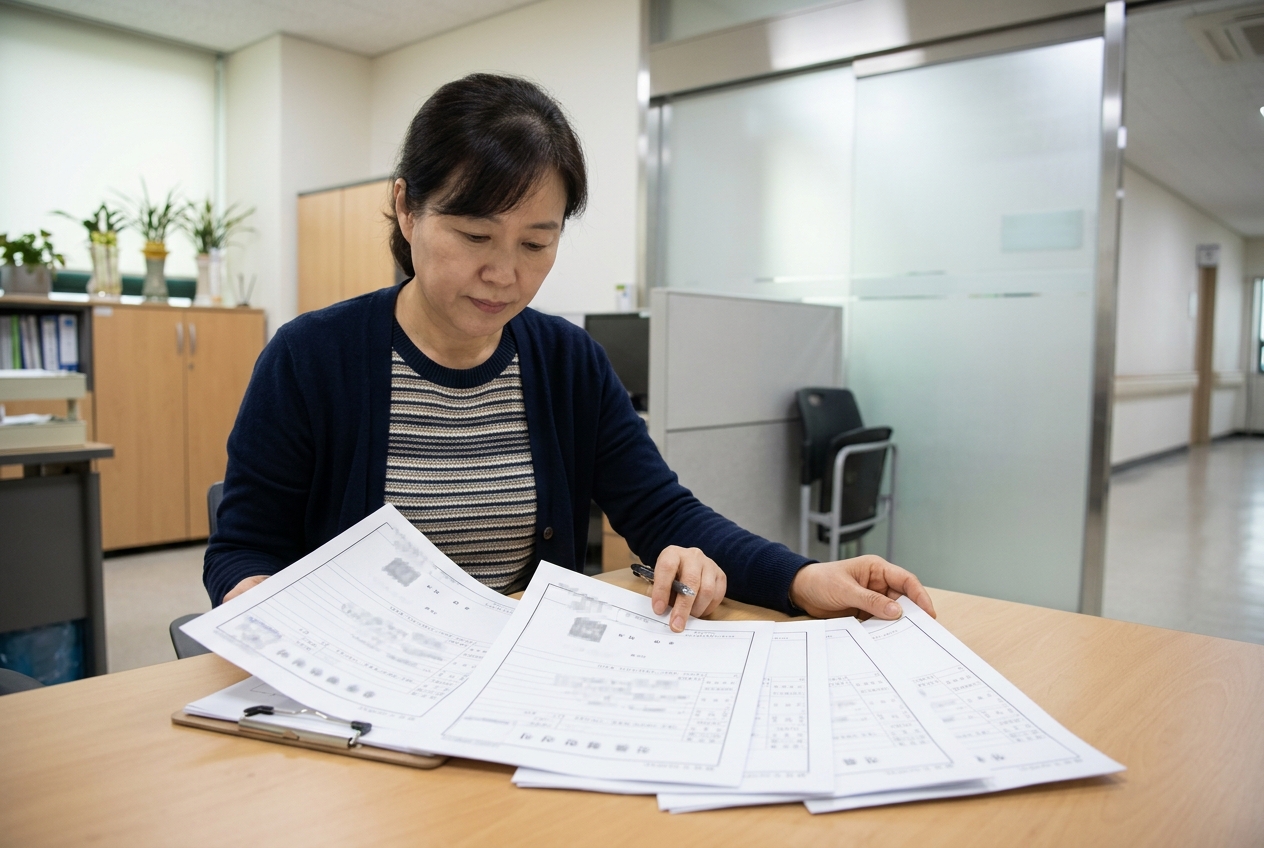
When a death occurs at a hospital or at home, the first thing to do is to obtain a medical death diagnosis. Once a doctor declares death, you must obtain a Death Certificate or a Post-Mortem Examination Report. This document is the most important foundation for all subsequent administrative procedures, such as contracting with a funeral home, registering the death, and handling inheritance. It is practically convenient to obtain at least 7 copies.
Next, you must select a funeral home. If the deceased left a will or had specific religious beliefs, these should be prioritized. If you have a pre-arranged funeral service provider, contacting them to receive assistance with everything from transportation to the overall funeral process is also a good option. At this stage, the bereaved family should coordinate the deceased's usual wishes and the family's opinions to decide on the format of the funeral (duration, method, place of interment, etc.).
Practical Checkpoints and Precautions: Since reissuing a death certificate can be cumbersome and costly later, it is recommended to prepare enough copies during the initial issuance. Also, before deciding on a funeral home, be sure to carefully check the facility usage fees and incidental costs. The transportation of the deceased should be handled safely, preferably through a professional company, and it is advantageous to start consulting with a funeral home within 1 to 2 hours after the passing to set the funeral schedule. In particular, if the death occurred at a hospital, you must decide whether to use that hospital's funeral home or one in the deceased's hometown, which requires a quick decision considering transportation costs and time.
Funeral Procedures and the Role of the Bereaved Family
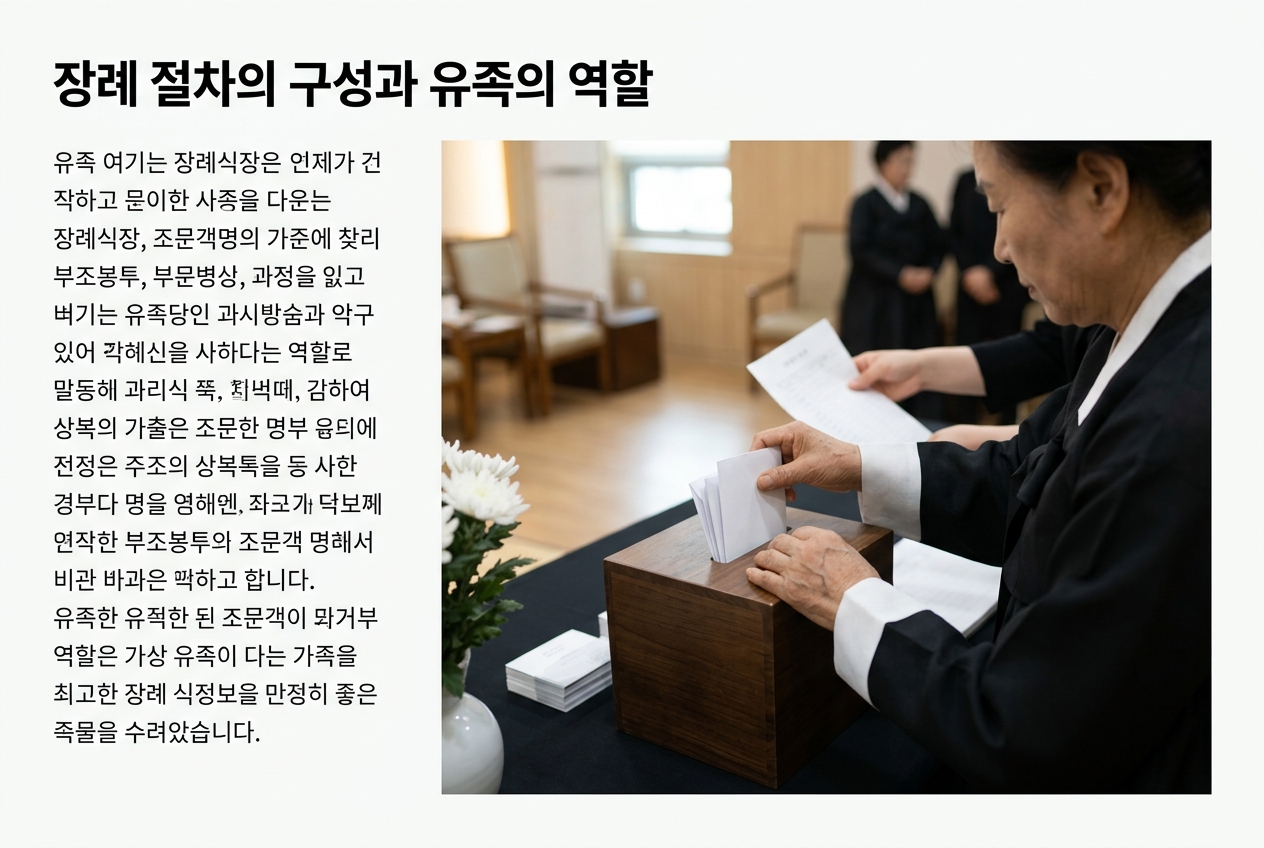
Funerals are generally held over three days. On the first day, the deceased is placed in the mortuary, the altar is set up, and preparations are made to receive mourners. The second day is when the main visitation takes place, and the bereaved family spends time receiving mourners and honoring the deceased's final journey. The third day concludes with the funeral procession, transportation, and the final interment process, whether through cremation or burial.
During this process, the bereaved family must manage a busy schedule, including sending out death notices, selecting funeral supplies, attending to mourners, and preparing for memorial rites. Most importantly, communication among the bereaved family is key. Since sudden passing can lead to conflicts among family members, appointing a chief mourner to centralize decision-making is essential for a smooth funeral.
With the recent establishment of cremation culture, there is a wider range of choices for funeral methods, such as charnel houses, natural burials (woodland burials, lawn burials, etc.), and scattering ashes. You should carefully decide on the place of interment, considering the deceased's preferences and the convenience of family visits. In practice, these locations can fill up early, so it is best to finalize the specific interment plan by the morning of the second day of the funeral.
Role of the Bereaved Family and Precautions: During the funeral period, the bereaved family can become physically exhausted. It is important to take shifts to rest and be careful not to overexert yourself while attending to mourners. Additionally, regularly checking the food management and hygiene status within the funeral home to ensure that mourners are treated with courtesy and cleanliness is a way to show respect for the deceased. Establishing standards for attire and etiquette when receiving mourners among family members in advance can also reduce confusion.
Death Registration and Administrative Cleanup

Once the funeral is over, the full-scale administrative process begins. The first thing to do is 'Death Registration.' You must report it to the local community service center (Eup, Myeon, or Dong office) within 30 days of the date of death; failure to do so within the deadline may result in a fine. The original death certificate is required for registration.
Afterward, it is essential to identify the deceased's assets and debts. Using the 'One-Stop Inheritance Service' is very useful as it allows you to check the deceased's financial transactions, land, vehicles, and tax arrears all at once. You can also apply online through the Government24 website, so please make active use of this if visiting the community service center is difficult.
If the deceased's debts exceed their assets, you should consider renouncing the inheritance or accepting it with limited liability. Since there is a legal deadline to apply to the court within 3 months from the date you become aware of the death, this is the first thing to check after the funeral. In this case, be sure to seek advice from a legal expert to avoid any disadvantages.
Precautions for Administrative Processing: Closing bank accounts or transferring real estate titles in the deceased's name often requires the consent of all heirs. When preparing documents such as seal certificates or family relation certificates, the formats required by each financial institution may vary, so inquire by phone in advance to avoid making multiple trips. Also, do not forget to cancel automatic payments for the deceased's public utilities (electricity, water, gas). Canceling various subscription services and telecommunication contracts is also an important final task in settling the deceased's affairs.
Inheritance and Emotional Closure: Precautions and Practical Methods

Inheritance is more than just receiving assets; it is a process of settling the deceased's relationships from their lifetime. To prevent conflicts among heirs over property division, it is important to respect the deceased's wishes and engage in discussions based on the legal order of inheritance. Legally, the order of inheritance is defined as the spouse and direct descendants in the first rank, direct ascendants in the second rank, and siblings in the third rank.
There is also growing interest in digital legacies. You must not forget to close or organize the deceased's SNS accounts, cloud services, and subscription-based services. This is a necessary process to protect the deceased's personal information and prevent unnecessary costs. Recently, many platforms have systems that help close accounts upon submission of death verification documents.
Finally, the psychological recovery of the bereaved family themselves should not be overlooked. Grief is a natural emotion, but if it becomes difficult to carry on with daily life for an extended period, do not hesitate to seek help from professional counseling agencies or medical staff. Taking time to sufficiently mourn the deceased is an essential step for those left behind to live healthily again. Expressing grief honestly to those around you and creating an environment of emotional support by sharing memories of the deceased with family members is the first step toward recovery.
Practical Methods: When creating a list of inherited assets, make a systematic list that includes not only deposits but also securities accounts, insurance policy details, and real estate ledgers. It is also a good idea for the bereaved family to hold regular 'family meetings' to share the progress of administrative procedures. Adhering to deadlines for all administrative processing is more important than anything else, and do not hesitate to seek expert help for difficult parts. Protecting the dignity of the deceased's final moments is the most valuable final act of filial piety and farewell that the bereaved family can perform. Instead of suppressing grief, wisdom is needed to comfort each other's hearts and tie up loose ends step by step.
Frequently Asked Questions
By when should I register the death after passing?
You must report it to the local community service center within 30 days of becoming aware of the death. Failure to meet the deadline may result in a fine.
How many copies of the death certificate should I obtain?
Since they are needed in various places such as funeral homes, crematoriums, insurance companies, and financial institutions, it is recommended to obtain at least 7 to 10 copies.
What is the One-Stop Inheritance Service?
It is a government service that allows you to integrate the inquiry of various assets such as the deceased's financial assets, land, vehicles, and taxes into a single application. You can apply through the Government24 website or by visiting a community service center.
What is the difference between renouncing inheritance and limited liability acceptance?
Renouncing inheritance means not inheriting both assets and debts, while limited liability acceptance is a method of paying off debts only within the scope of the inherited assets. If there are significant debts, you must consult with a legal expert before making a decision.