The thyroid is a butterfly-shaped endocrine gland located in the front of the neck that plays a crucial role in secreting thyroid hormones to regulate the body's metabolic rate. Thyroid cancer refers to a malignant tumor in this gland; it is known to progress relatively slowly and have a better prognosis compared to other types of cancer. However, the biggest challenge is that it often presents no noticeable symptoms in the early stages, making it difficult to detect on your own.
Many people dismiss thyroid cancer symptoms as mere fatigue or a sensation of a lump in the throat. However, accurately reading the subtle signals sent by your body is key to early diagnosis. Today, we will delve into the major symptoms of thyroid cancer, situations that warrant suspicion, and important precautions to keep in mind before and after visiting a hospital.
Early Signals from Thyroid Cancer: Observe Changes in Your Neck

The most common and representative symptom of thyroid cancer is a palpable nodule in the front of the neck. Thyroid nodules are very common, and only a small portion are diagnosed as cancer. However, caution is needed if a nodule suddenly grows, feels hard, or feels fixed to surrounding tissues when touched.
- Changes in Nodule Size: Beyond just a feeling of neck swelling, be alert if a nodule has grown noticeably or if you can feel a hard lump without pain.
- Sensation of a Foreign Object: If you experience discomfort when swallowing or a persistent feeling as if something is stuck in your throat.
- Voice Changes: If the cancer invades the laryngeal nerve, it can cause hoarseness or a change in voice. This is a typical symptom that occurs when a nodule grows and compresses surrounding tissues.
These symptoms are easily confused with hyperthyroidism, hypothyroidism, or simple thyroiditis. Therefore, rather than self-diagnosing based on symptoms alone, it is most accurate to undergo an ultrasound and, if necessary, a fine-needle aspiration biopsy through a specialist's examination. It is a good habit to observe whether the left and right sides of your neck are symmetrical when looking in the mirror and whether the lump moves when you swallow.
Additionally, depending on the stage of progression, thyroid cancer can spread to nearby lymph nodes, which may result in palpable lumps on the side of the neck. Such lymph node swelling is often painless and easily mistaken for simple fatigue. It is important to carefully check not only the front of the neck for nodules but also the sides for lumps.
Specific Situations That Should Raise Suspicion of Thyroid Cancer
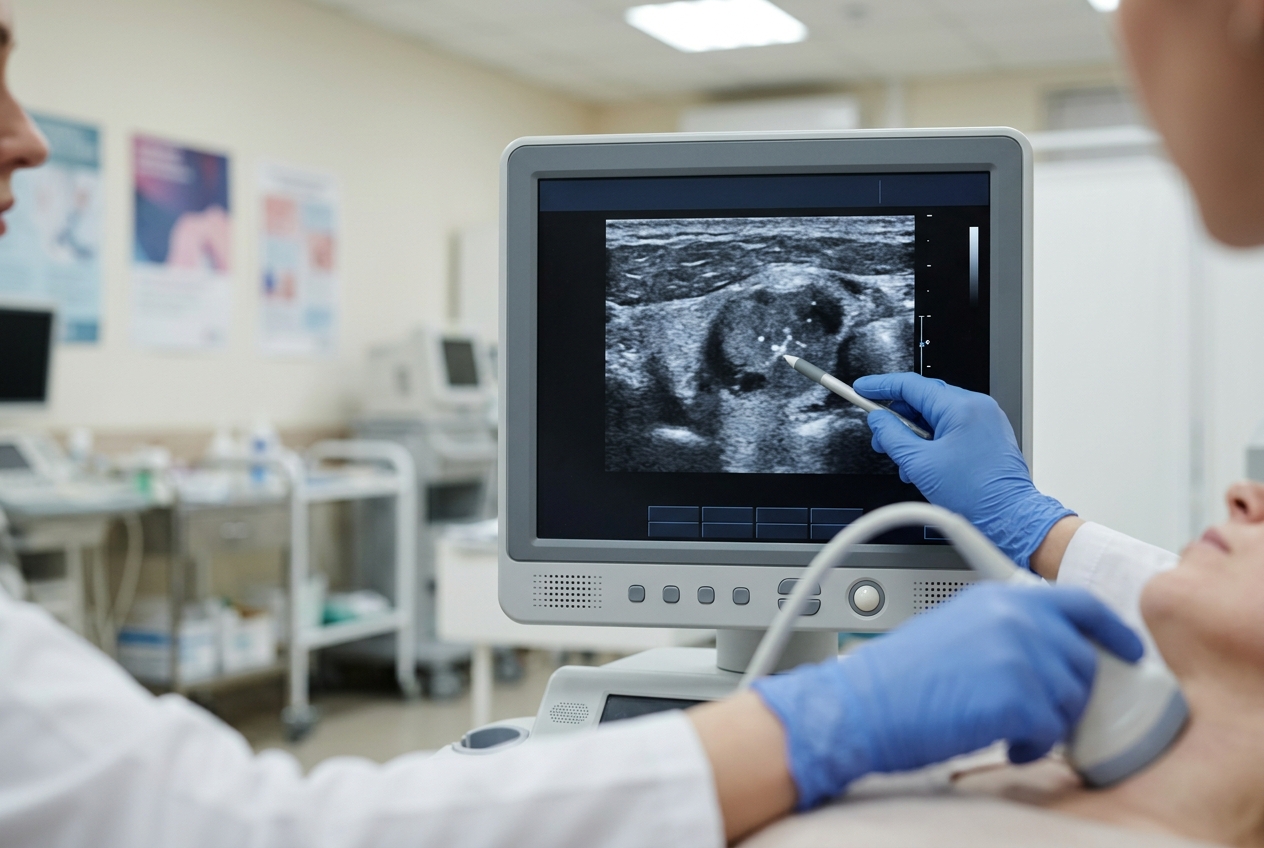
Not every lump in the neck is cancer. However, if you fall into the following categories, more active verification is required. First is family history. If a family member has had thyroid cancer, there may be a genetic predisposition, so regular check-ups should not be neglected.
Second is a history of radiation exposure. If you have previously received radiation therapy in the head or neck area, the risk of developing thyroid cancer may increase. Third is the shape of the nodule. If an ultrasound shows that the borders of the nodule are unclear or if there are microcalcifications inside, a biopsy is recommended with the possibility of cancer in mind. Also, abnormal swelling of lymph nodes around the neck should be observed carefully, as lymphadenopathy can be another sign of advanced thyroid cancer.
Additionally, factors that increase the risk of thyroid cancer include advanced age, certain genetic diseases, and iodine intake imbalances. In particular, since the incidence of thyroid cancer is significantly higher in women than in men, women need to be extra cautious. If you belong to a high-risk group, it is wise to monitor your condition through regular ultrasound screenings rather than waiting for symptoms to appear.
Precautions and Understanding the Diagnostic Process
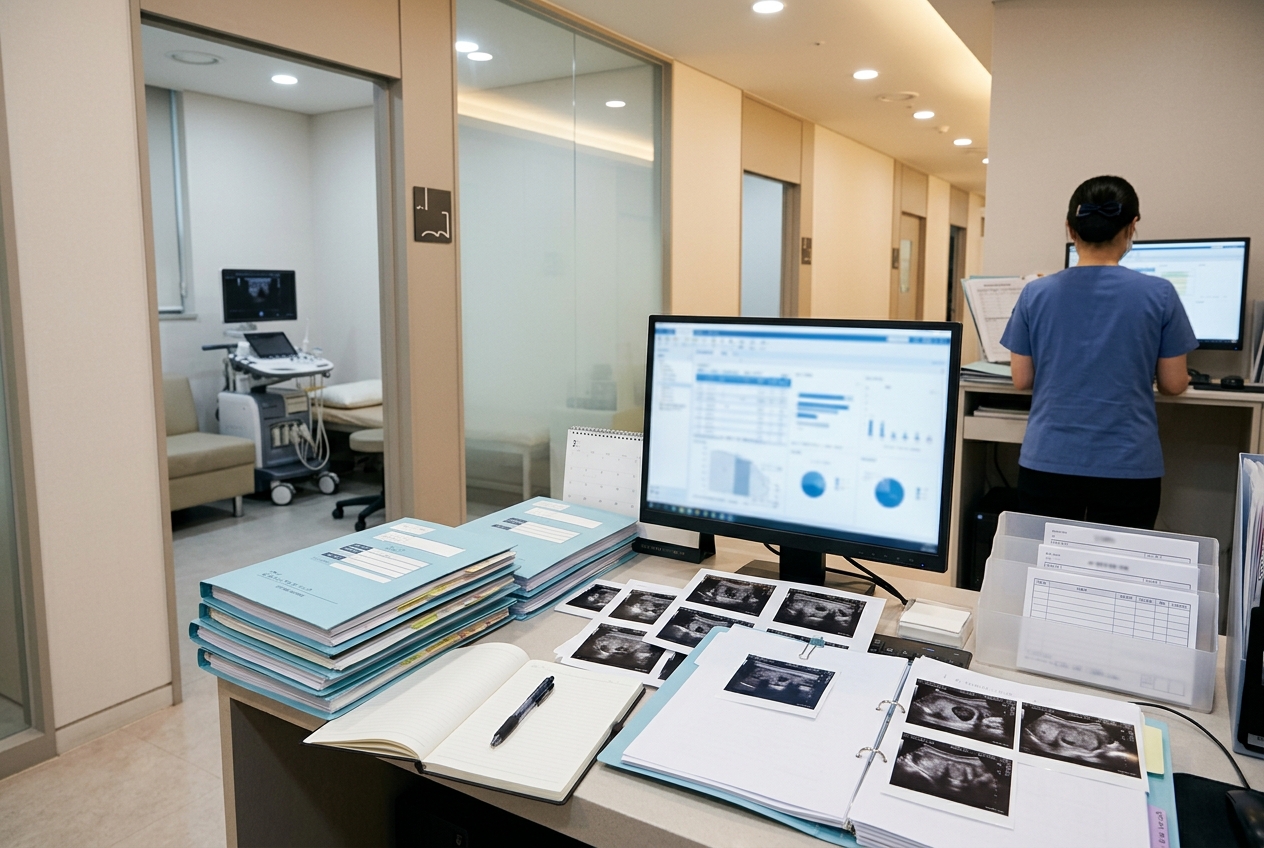
Thyroid cancer diagnosis usually begins with a thyroid ultrasound. If a suspicious nodule is found, a fine-needle aspiration biopsy (FNAC) is performed. This involves inserting a thin needle into the nodule to collect cells. Many people fear this test, but it is relatively painless, requires almost no anesthesia, and is quick to perform.
It is important to note that even if the test result is 'benign,' you should not be completely at ease. There is a possibility of uncertain results or false negatives (where it is actually cancer but tests as benign). Therefore, doctors recommend follow-up observations of the nodule's size or shape changes every few months. Adhering to the follow-up schedule is crucial. Bringing previous test results when visiting the hospital is very helpful for comparing changes.
After the test, bruising or swelling may occur at the biopsy site, but this usually disappears naturally. If severe pain or swelling persists, notify your medical team immediately. The attitude a patient should have during the diagnostic process is 'objective observation' rather than 'anxiety.' Following the doctor's instructions for regular follow-up is the key to determining the prognosis.
Myths and Truths About Thyroid Cancer Symptoms

There is a common tendency to dismiss thyroid cancer as a 'good cancer.' While it is true that the prognosis is generally good, this is not the case for all thyroid cancers. Some aggressive forms, such as anaplastic carcinoma, can progress very rapidly. Therefore, it is very dangerous to become complacent with the term 'good cancer' and delay treatment or skip check-ups.
Also, having thyroid cancer does not necessarily mean your thyroid hormone levels are abnormal. Most thyroid cancer patients maintain normal hormone levels in blood tests. You must keep in mind that thyroid cancer cannot be diagnosed by blood tests alone. Do not forget that ultrasound is an essential auxiliary tool. Ultrasound is highly precise and can detect nodules smaller than 0.5 cm.
Another misconception is the belief that 'if there is no lump in the neck, it is not cancer.' If the cancer does not appear as a nodule but is spread microscopically within the thyroid tissue, it is difficult to confirm by sight or touch. Therefore, rather than feeling safe because there are no symptoms, you should check the exact internal state through ultrasound screening. Always remember that cancer can grow in silence.
Lifestyle Habits for Healthy Thyroid Management
There is no scientifically proven special diet or supplement to prevent thyroid cancer. However, balanced nutrition and appropriate iodine intake are fundamental to thyroid health. Excessive iodine intake (such as excessive consumption of seaweed) can actually trigger thyroid diseases, so it is wise to maintain a moderate amount.
Additionally, stress management and smoking cessation are the basics of all cancer prevention. Since thyroid cancer has a very high cure rate when detected early, regular check-ups after the age of 40 are the most certain preventive measure, even if you have no symptoms. Do not ignore the small changes your body sends; if you have abnormal symptoms, do not hesitate to consult an internal medicine or ENT specialist. Understanding your thyroid status through regular check-ups can reduce vague anxiety and help you maintain a healthy life.
Practical lifestyle guidelines include: First, a balanced diet. A diet not skewed toward specific nutrients protects thyroid function. Second, consistent exercise. It boosts immunity and creates a physical state capable of fighting cancer cells. Third, regular self-examination. Periodically check for changes in the shape of your neck in the mirror. Fourth, consultation with a specialist. If you have a family history or persistent discomfort in your neck, visit a hospital without delay. Fifth, sleep and rest. Stress can cause hormonal imbalances, so sufficient rest is essential.
Furthermore, modern people often experience muscle tension around the neck. Correcting 'tech neck' (forward head posture) from smartphone use or computer work is a good way to prevent discomfort in the front of the neck. The ability to distinguish between muscle pain and thyroid cancer symptoms comes from observing your own body well. Remember that consistent health check-ups and checking your daily habits are the most powerful weapons for early detection and prevention of thyroid cancer.
Finally, this content is based on general medical information. Since symptoms and diagnostic results vary greatly depending on the individual's condition, please be sure to visit a professional medical institution for a precise examination. Health begins with interest and action. Remembering the simple truth that prevention is better than cure, we hope you start paying attention to your neck health today.
Frequently Asked Questions
What are the symptoms of thyroid cancer?
There are almost no symptoms in the early stages. However, you may feel a hard nodule in the front of the neck, experience voice changes, or have difficulty swallowing food.
Is every thyroid nodule cancer?
No. Most thyroid nodules are benign tumors. The possibility of cancer is evaluated through ultrasound, and a biopsy is performed if necessary.
Can blood tests detect thyroid cancer?
Blood tests are used to check thyroid hormone levels and have limitations in diagnosing the presence of thyroid cancer. Ultrasound and biopsy are essential.
Is thyroid cancer curable?
Most thyroid cancers have a very good prognosis and a high cure rate if detected early and treated appropriately.