A myocardial infarction is a life-threatening condition where the coronary arteries, which supply blood to the heart muscle, become completely blocked, causing the heart muscle to undergo necrosis. It is the primary cause of what is commonly referred to as a 'heart attack.' Above all, time is of the essence. Once the vessel is blocked and the heart muscle begins to die, irreversible damage occurs. Here, we will cover everything you need to know about myocardial infarction to protect your health.
Self-Checklist for Myocardial Infarction: Check Now

It is easy to assume that a heart attack strikes without warning, but in reality, it often sends signals such as chest pain or shortness of breath. If you experience any of the following, you should immediately consider seeing a specialist.
- Do you feel intense, squeezing pain in the center or left side of your chest that lasts for more than 10 minutes?
- Does the pain radiate beyond the chest to the jaw, neck, shoulders, or left arm?
- Are you experiencing shortness of breath and profuse cold sweats while at rest?
- Are you feeling nauseous, vomiting, or experiencing extreme fatigue?
These symptoms are easily mistaken for simple indigestion or muscle pain. Elderly individuals and diabetic patients, in particular, need to be extra cautious as their pain may not be clear, and they might only feel like they have 'indigestion.' Additionally, it is important to remember that women are relatively more likely than men to report extreme fatigue, back pain, or indigestion rather than chest pain. If you experience pain of an intensity you have never felt before, your body is already sending a distress signal.
The first thing to do when these symptoms appear is to 'not delay.' Waiting for the symptoms to subside while resting is a very dangerous decision. If the pain lasts for more than 5 minutes, you must immediately call 119 for help. Receiving appropriate treatment within the golden time is the most effective way to reduce heart damage. Because necrosis of the heart muscle is difficult to stop once it begins, requesting rescue as soon as you suspect symptoms is the only way to increase survival rates.
Why Does a Myocardial Infarction Occur? Major Causes and Risk Factors
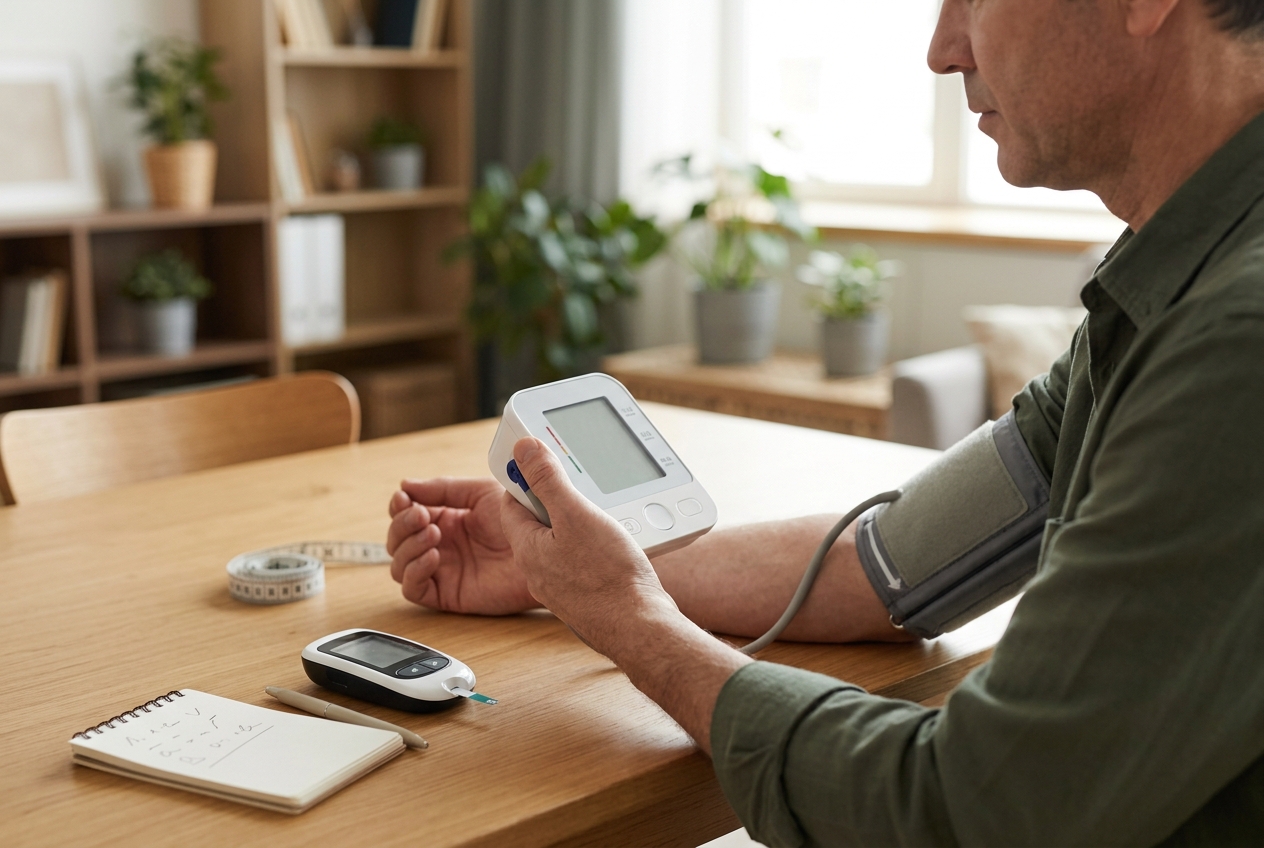
A myocardial infarction occurs when 'plaque,' a buildup of fatty deposits inside blood vessels, ruptures, forming a blood clot (thrombus) that blocks the vessel. Vessels affected by atherosclerosis are already very narrow, and even a small impact can lead to complete occlusion.
Risk factors are divided into non-modifiable and modifiable factors. While we cannot change age, gender, or family history, we can certainly manage hypertension, diabetes, hyperlipidemia, smoking, obesity, and stress. Hypertension, in particular, exerts constant pressure on vessel walls, causing microscopic tears that make it easier for plaque to accumulate. Diabetes also impairs the function of vascular endothelial cells, accelerating clot formation. Smoking constricts blood vessels and carbon monoxide interferes with oxygen supply, making it the first habit to quit if you care about heart health.
Obesity, especially abdominal obesity, increases insulin resistance, worsening blood sugar and lipid levels. Therefore, it is important to regularly check your Body Mass Index (BMI) and waist circumference. Stress also excessively activates the sympathetic nervous system, raising blood pressure and heart rate, which puts a strain on the heart. The more of these risk factors you have, the higher your risk of onset becomes exponentially, so understanding your current health status is the priority. Do not forget that improving your lifestyle alone can significantly lower the incidence rate.
Emergency Response to Myocardial Infarction: What Should You Do?
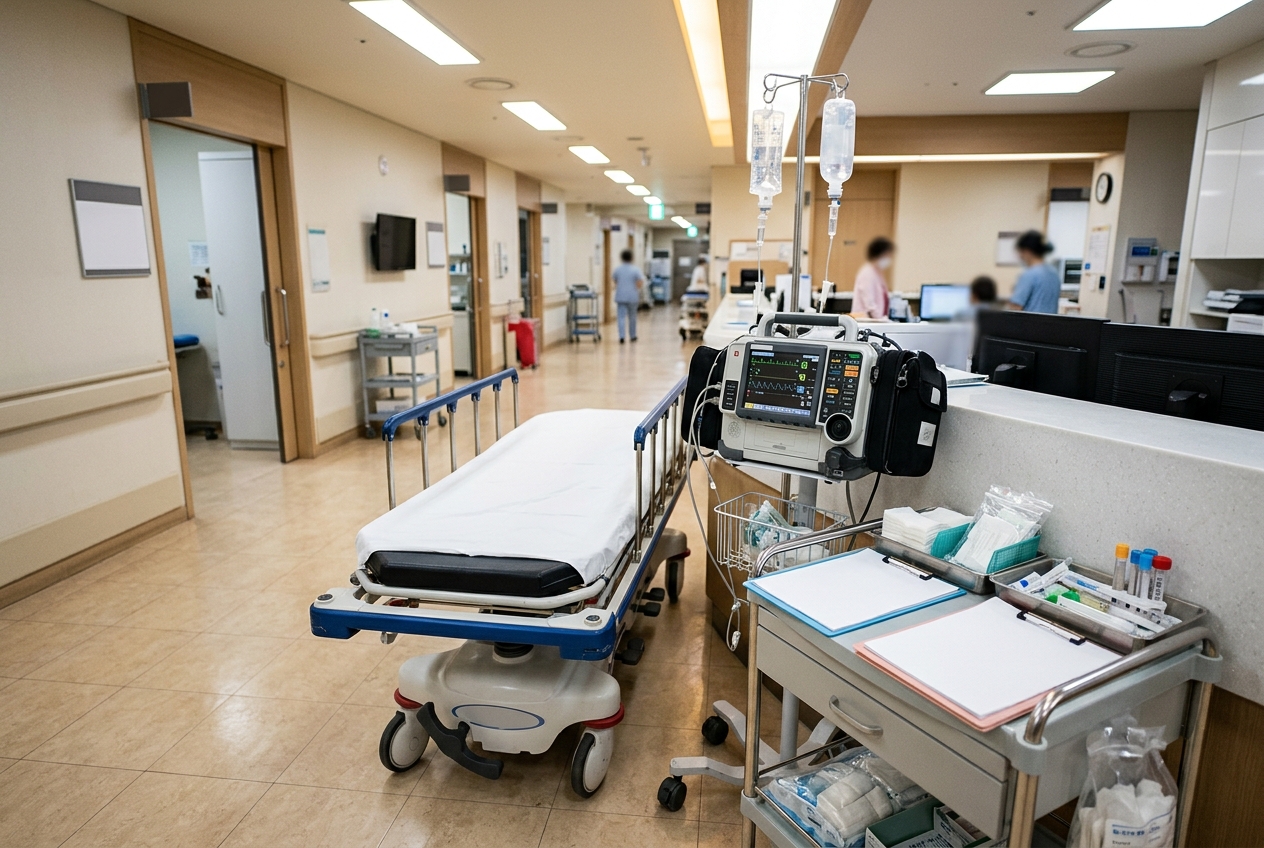
If you witness a situation where a heart attack is suspected or if you experience symptoms yourself, what should you do? The golden time is within 2 hours. You must reach a hospital and undergo a procedure to open the blocked vessel to minimize damage to the heart muscle.
1. Call 119 Immediately
Driving yourself to the hospital is strictly prohibited. There is a high risk of losing consciousness while driving. Until paramedics arrive, keep the patient in a comfortable position and ensure their airway is clear. Loosen tight clothing such as belts or ties to help with breathing. Provide paramedics with clear information about the time of onset and major symptoms so that treatment can begin immediately upon arrival at the hospital.
2. Do Not Administer Medication Arbitrarily
Some people use folk remedies like giving herbal medicine or water, but this is dangerous as it can block the airway or cause aspiration pneumonia. It is especially dangerous to force someone to swallow if they are in a confused state. If the patient is unconscious, someone trained in CPR should begin cardiopulmonary resuscitation immediately.
CPR can significantly increase survival rates just by compressing the center of the chest hard and fast. If an Automated External Defibrillator (AED) is nearby, use it immediately. Simply following the voice prompts to operate the device is a great help. The compression point is the lower half of the sternum in the center of the chest, and you should press hard to a depth of about 5cm at a rate of 100-120 compressions per minute. It is important to continue without stopping until paramedics arrive. If CPR is started within 4 minutes of a cardiac arrest, the survival rate increases dramatically.
Daily Checkpoints for Preventing Myocardial Infarction
Prevention is more important than treatment. Checking your daily habits to protect cardiovascular health is the most efficient method. Check the items you can practice every day.
- Diet: Are you reducing intake of saturated fats and salt, and maintaining a diet centered on vegetables and whole grains? Salt is a primary culprit in raising blood pressure, so intake of processed foods should be limited. Sodium causes water retention in blood vessels, raising blood pressure.
- Exercise: Do you engage in aerobic exercise that makes you slightly breathless for at least 30 minutes, 3 to 5 times a week? Walking, swimming, and cycling strengthen cardiorespiratory endurance. However, if you are not used to exercising, starting too intensely can strain the heart, so increase the intensity gradually.
- Alcohol and Smoking: Have you completely stopped smoking, which directly impacts cardiovascular health? Alcohol can temporarily raise blood pressure and cause irregular heartbeats.
- Regular Checkups: Do you regularly check and manage your blood pressure, blood sugar, and cholesterol levels?
A myocardial infarction is a condition that can strike even healthy people suddenly. Be especially careful during seasonal changes or when exposed to cold air early in the morning, as blood vessels constrict, leading to many incidents. When going out, pay attention to staying warm, and it is better to maintain an intensity suitable for your physical strength rather than over-exercising. Sudden cold wind causes rapid constriction of blood vessels and raises blood pressure, so be sure to wear a hat or scarf when exercising outdoors in winter. Maintaining body temperature is an important defense mechanism to prevent rapid changes in blood vessels.
A 3-Step Roadmap to Protecting Heart Health
To maintain a healthy heart, first, know your body's condition accurately. Check your vascular age through annual health checkups. Second, eliminate risk factors one by one. If your blood pressure is high, do not fear medication and follow your doctor's prescription. Taking medication is the most certain preventive measure to protect blood vessels and prevent complications. Third, act immediately upon recognizing abnormal symptoms. Complacency, thinking 'it couldn't be me,' leads to the greatest harm. When you feel strain on your heart, do not hesitate to visit a medical institution.
Heart muscle does not regenerate once damaged. Therefore, taking immediate action when symptoms appear determines your quality of life for the future. Remember that heart health is not just a vascular issue but a barometer of overall health. Start practicing habits that protect your heart through diet, exercise, and regular checkups starting today.
This article provides general information and cannot replace diagnosis or treatment for specific symptoms. If you have any concerns regarding your heart health, please consult a specialist for a thorough examination. Early detection and rapid treatment are the only ways to overcome a myocardial infarction.
Frequently Asked Questions
How is a myocardial infarction different from angina?
Angina is a state where blood vessels are narrowed, causing temporary pain, whereas a myocardial infarction is a more critical state where the vessel is completely blocked, causing the heart muscle to undergo necrosis.
Can I take aspirin immediately if I have symptoms of a myocardial infarction?
Calling 119 immediately is the priority if you have symptoms. Whether or not to take aspirin should be decided by paramedics or medical staff, and giving medication arbitrarily can be dangerous.
Can I have a myocardial infarction without chest pain?
Yes, especially in the elderly or diabetic patients, they often feel only shortness of breath, nausea, cold sweats, or extreme fatigue instead of pain.
What is the golden time for a myocardial infarction?
The golden time to minimize heart muscle damage is to arrive at the hospital and undergo a procedure to reopen the blood vessel within 2 hours of symptom onset.