Gastritis literally refers to a state where the stomach lining is inflamed. In their busy daily lives, modern people are prone to threatening their stomach health due to irregular eating habits and stress. Many people simply dismiss it as 'indigestion' and take digestive medicine, but ignoring these gastritis symptoms can lead to risks of developing stomach ulcers or even stomach cancer, so caution is required. Since the stomach is the first digestive organ in our body to receive external stimuli, it is necessary to be sensitive to even small warning signs. Chronic gastritis often lacks distinct symptoms, making regular check-ups and monitoring of lifestyle habits more important than anything else.
Gastritis Symptoms: What Are the First Warning Signs?
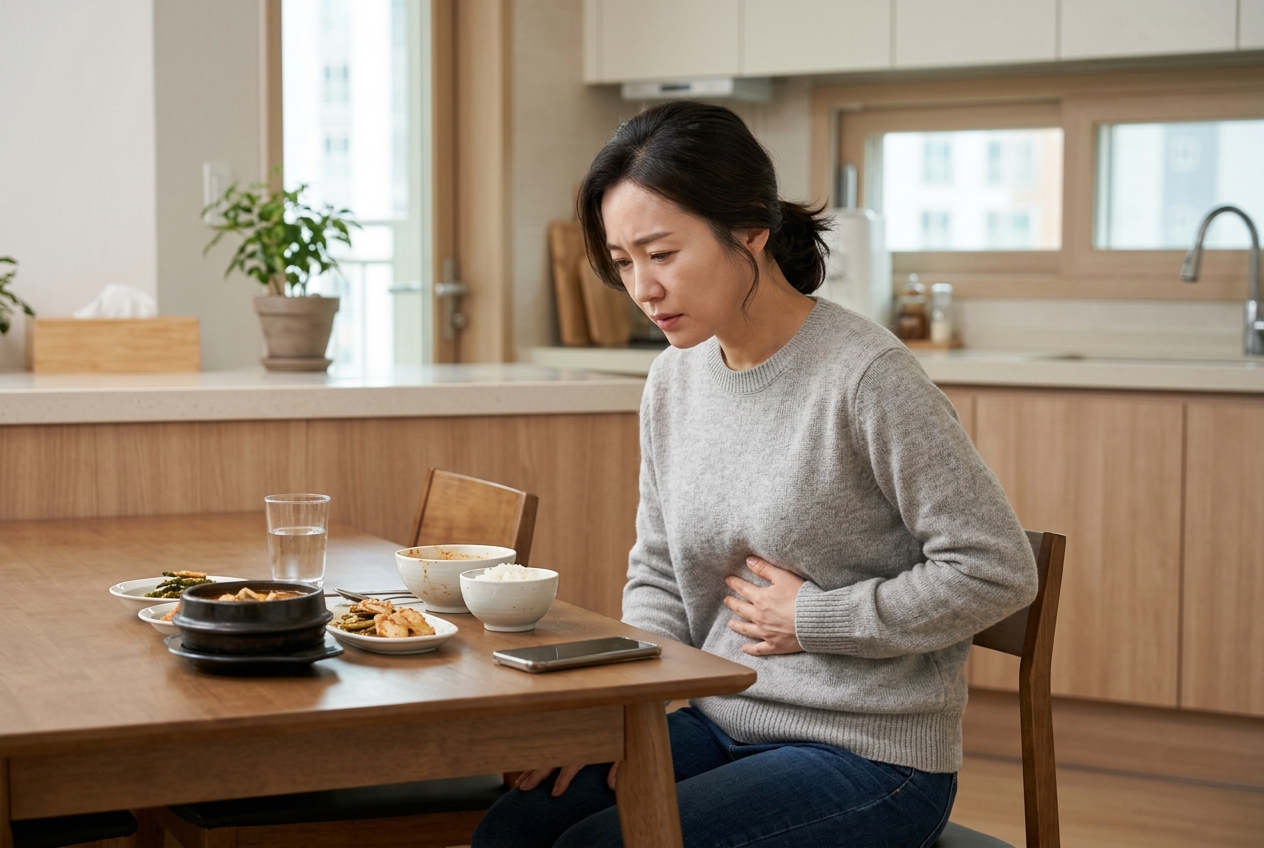
The representative symptoms that appear when gastritis occurs are pain and discomfort in the epigastric (pit of the stomach) area. Many people think of this as a temporary reaction caused by simple overeating or stress. However, if the pain is sharp or dull and recurring, you should suspect inflammation inside the stomach. In particular, if symptoms worsen before or after meals, or if you feel a stabbing sensation in the pit of your stomach while fasting, it is a sign that the stomach lining is already being irritated. This pain sometimes radiates to the back or chest, leading some to mistake it for heart disease. Furthermore, if accompanied by tenderness where the area below the pit of the stomach feels hard, or if the pain worsens when pressed, you should recognize that the edema or inflammation of the stomach wall may be significant.
Also, a feeling of bloating in the upper abdomen felt after meals is one of the major gastritis symptoms. If you feel full after eating only a small amount of food, or if digestion seems to be progressing excessively slowly, there is a high probability that the motility of your stomach is impaired. In addition, if frequent burping, nausea, or loss of appetite persists, it is recommended to visit a hospital for an accurate diagnosis. In particular, if the feeling of bloating after a meal lasts for more than 3 hours, or if you feel a foreign body sensation as if food is stuck in your throat, you can suspect acid reflux or the progression of gastritis. Also, sudden sour burps or the feeling of bitter fluid coming up are indicators that the overall function of the stomach has declined.
Why Does My Stomach Keep Hurting? Major Causes of Gastritis

There are many causes that trigger gastritis. The most common cause is Helicobacter pylori infection. This bacterium lives in the stomach lining, causes inflammation, and is considered the main culprit of chronic gastritis. Next is the abuse of medications such as painkillers or anti-inflammatory drugs. In particular, if you habitually take medication for arthritis or headaches, the protective barrier of the stomach lining can be damaged. Non-steroidal anti-inflammatory drugs (NSAIDs) are a representative group of drugs that cause gastritis by inhibiting the synthesis of prostaglandins that protect the stomach lining. If you are in a situation where you must take such medications for a long time, you should consult with a specialist about whether to take stomach protectants concurrently.
Stress is also a factor that cannot be ignored. Intense stress promotes gastric acid secretion and reduces blood flow to the stomach, weakening the lining. If spicy food, excessive drinking, and smoking are added to this, gastritis symptoms are bound to worsen. Spicy or greasy foods are factors that directly irritate the stomach lining, so if your stomach is usually sensitive, checking your diet is the priority. Also, irregular meal times cause the stomach to be unable to distinguish between when it should secrete gastric acid and when it should rest, resulting in irritation of the stomach wall itself. Late-night snacks, in particular, prevent the stomach from resting sufficiently and cause continuous gastric acid secretion throughout the night, accelerating damage to the lining.
Acute Gastritis vs. Chronic Gastritis: What's the Difference?

Gastritis is divided into acute and chronic depending on the speed and duration of progression. Acute gastritis often presents with sudden severe pain or vomiting. It usually occurs after eating spoiled food, severe stress, or immediately after alcohol consumption. Fortunately, in many cases, symptoms improve within a few days once the cause is removed. In the acute phase, the stomach lining may become red and congested or develop erosions (abrasions), and in this case, natural healing is possible for most just by consuming enough fluids and letting the stomach rest. During acute gastritis, the key to recovery is to minimize the physical burden on the stomach through a diet of low-irritation porridge or thin rice gruel.
On the other hand, chronic gastritis is a state where symptoms persist for several months or longer. It is characterized by recurring subtle discomfort or indigestion rather than particularly severe pain. The problem is that chronic gastritis can gradually thin the lining (atrophic gastritis) or cause cellular changes in the lining. In particular, if atrophic gastritis persists for a long time, it can progress to intestinal metaplasia, where the stomach lining changes like the intestinal lining, which acts as a risk factor that increases the incidence of stomach cancer. Therefore, if symptoms recur for more than 3 months, you should not simply rely on digestive medicine but check the internal state of the stomach through an endoscopy. For chronic gastritis patients, it is essential to track and observe changes in the stomach lining through regular check-ups.
Checkpoints for Lifestyle Rules to Protect Stomach Health
To alleviate gastritis symptoms and restore health, correcting lifestyle habits is more important than anything else. First, keep regular meal times. Since the stomach secretes gastric acid at set times, irregular meal times cause the stomach wall to attack itself. Second, avoid irritating foods. Spicy and salty foods easily leave wounds on the stomach lining. Third, do not lie down immediately after eating. Lying down immediately after a meal can cause gastric acid to reflux, causing inflammation in both the esophagus and the stomach. Since acid reflux is often accompanied by reflux esophagitis as well as gastritis, caution is required. It is recommended to stay upright and engage in light activity for at least 2 hours after a meal.
Fourth, manage stress. Meditation or light walks help relieve tension in the stomach. Fifth, refrain from excessive caffeine and alcohol. Caffeine in coffee and alcohol in liquor are major causes that worsen inflammation by excessively promoting gastric acid secretion. Sixth, develop a habit of keeping an empty stomach for 3 hours before going to sleep. If food remains during the night when the stomach should be resting, gastric acid is excessively secreted, causing the stomach lining to be irritated all night long. Seventh, the habit of chewing slowly while eating activates digestive enzymes in saliva, dramatically reducing the burden on the stomach. Simply chewing food thoroughly more than 30 times speeds up digestion and reduces physical friction in the stomach, which is a great help in protecting the lining. Finally, it is best not to drink excessive water during meals, as water can dilute gastric juices and reduce digestive capacity.
Criteria for When to Go to the Hospital When Gastritis Symptoms Are Suspected
Many people delay visiting the hospital, saying, 'I can endure this much.' However, in the following situations, you should receive a medical examination from a specialist without delay. 1) If you have black stools or vomit blood, this is a strong signal of upper gastrointestinal bleeding. 2) If your weight drops rapidly for no reason, this may imply that the gastrointestinal disease has progressed to a severe stage. 3) If you feel difficulty swallowing, you should suspect structural problems from the entrance of the esophagus to the stomach. 4) If symptoms do not improve at all for more than 2 weeks even after taking medication. This suggests the possibility of other hidden diseases such as ulcers or tumors beyond simple gastritis, so please be sure to seek professional help. Also, when accompanied by anemia symptoms or persistent chronic fatigue, you should check for bleeding within the gastrointestinal tract.
Gastritis is a disease that can be sufficiently improved if managed well. Do not ignore the signals your body is sending, and try changing your diet and lifestyle habits little by little starting today. Stomach health does not improve overnight, but consistent effort will surely be rewarded. The mistake most gastritis patients make is eating spicy food or drinking alcohol as soon as symptoms improve slightly. A stabilization period of at least 4 weeks is required until the stomach lining is fully recovered. Avoiding an irritating diet and promoting the stabilization of the autonomic nervous system through sufficient sleep and rest is the shortcut to normalizing stomach function. This information is a general health guide, and for specific diagnosis and treatment, please visit a medical institution and consult with a specialist.
Frequently Asked Questions
Do I have to get an endoscopy if I have gastritis symptoms?
If the symptoms are temporary, they can improve with lifestyle corrections alone. However, if symptoms persist or recur for more than 2 weeks, a gastroscopy is recommended to identify the exact cause.
What are good foods for gastritis?
Cabbage, broccoli, and yams are known to help protect the stomach lining and alleviate inflammation. However, since no specific food is a panacea, a balanced diet is most important.
Why does my stomach hurt more when I drink coffee?
Caffeine in coffee acts to promote gastric acid secretion. If excessive gastric acid is secreted while the stomach lining is already weakened by inflammation, pain or heartburn can worsen.
How should I deal with acute gastritis?
If acute gastritis symptoms appear, it is recommended to avoid irritating foods for the time being and consume soft liquid foods so that the stomach can rest. If the pain is severe, you should visit a hospital immediately.