Why Short-term Travel Insurance is Absolutely Necessary
Checkpoints to Consider When Choosing Coverage

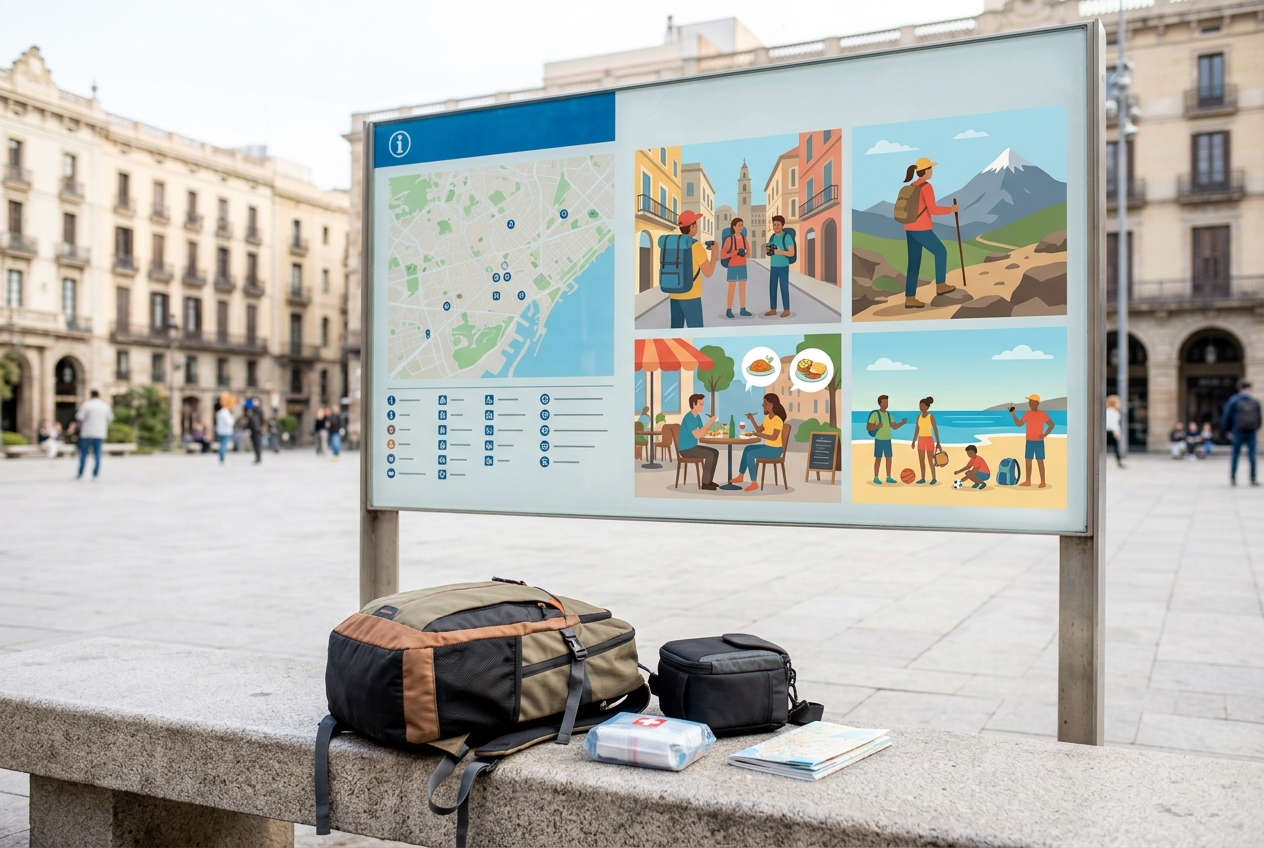
- Medical Expense Coverage Limit: Check if the injury and illness medical expense coverage is sufficient. This is especially important if your trip includes elderly travelers or those with chronic conditions. It is advisable to set the coverage limit based on the cost of living in the destination country.
- Personal Belongings Coverage: If you are carrying expensive equipment like cameras, laptops, or smartphones, choose a product with a sufficient coverage limit for personal belongings. Note that cash or jewelry are often excluded, so be sure to read the terms and conditions. You should also check the coverage limit per item and the deductible regulations.
- Liability Special Clause: A liability item is useful in case you accidentally damage hotel property or cause physical or material harm to others. This is particularly good for preparing for accidents that may occur when traveling with young children.
- Flight and Baggage Delays: Flight cancellations and baggage delays have become frequent recently. Check if you can be compensated for accommodation or meal expenses caused by these issues. Many products compensate for costs incurred after a certain period of delay.
Customized Enrollment Strategy Based on Travel Destination
Documents to Prepare for Insurance Claims
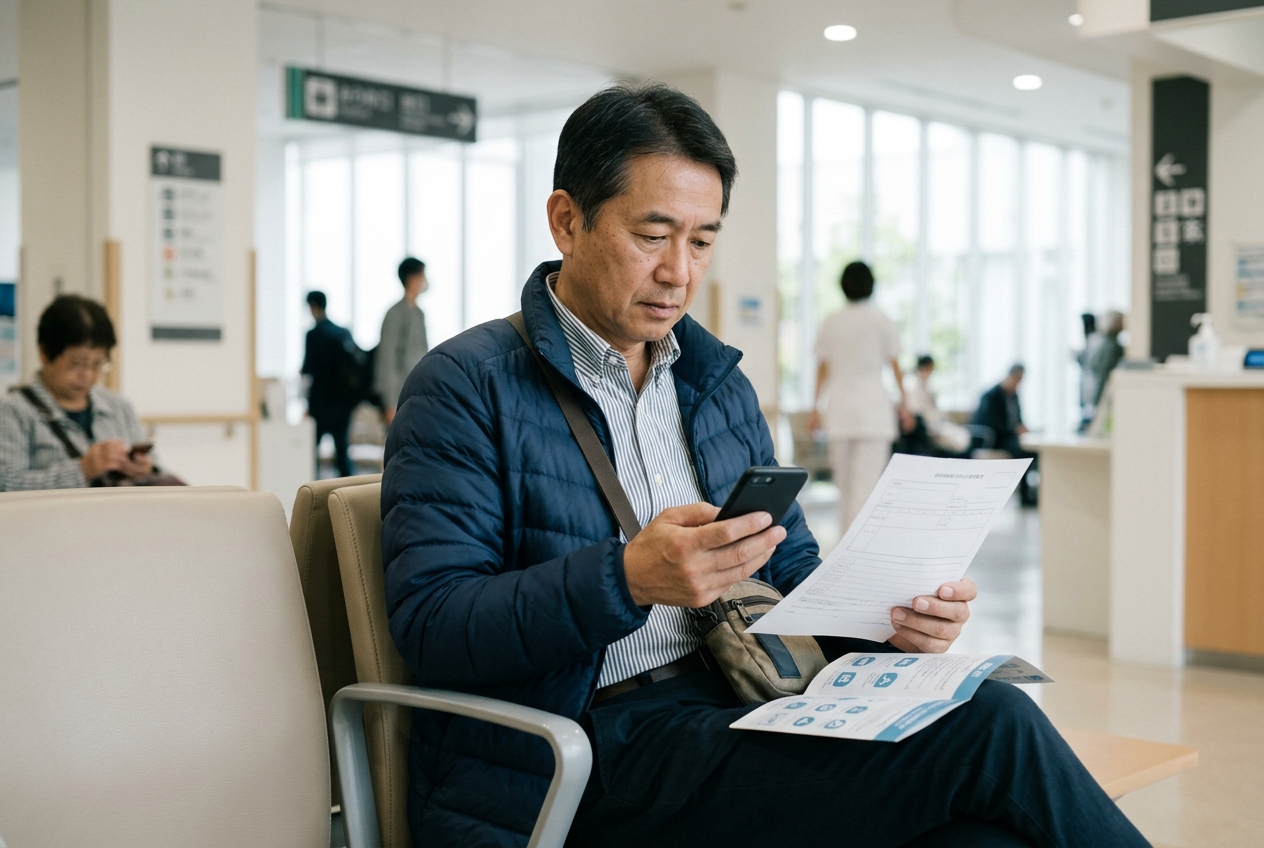
To claim insurance money without panic when an actual accident occurs, it is good to know the required documents in advance. If you used a local hospital, you must collect the medical certificate, medical expense receipts, and prescription receipts. For theft of personal belongings, a police report written at a local police station is essential. Also, in case of flight delays, you must obtain a delay confirmation from the airline to ensure smooth future compensation procedures. Getting all supporting documents issued in English is a way to shorten the review process by insurance companies in Korea. Recently, systems that allow you to upload documents directly via apps are well-established, so installing the relevant app immediately after an accident is a good idea. It is important to keep the originals of receipts regardless of the payment method or take high-quality photos of them, and keeping photos of the accident scene is also very helpful when communicating with the claims adjuster.Understanding Precautions and Exceptions
Insurance policies have exclusion clauses. For example, medical expenses for pre-existing conditions, pregnancy, childbirth, self-harm, or accidents resulting from criminal acts are not covered. Also, accidents that occur while under the influence of alcohol are generally excluded from coverage, so caution is required. Keep in mind that insurance is for unexpected accidents and is not a universal solution for every situation. It is a habit to at least skim the 'Non-covered Losses' section of the terms and conditions before signing up. Also, remember that if your own negligence is recognized to a certain extent when claiming insurance, the scope of compensation may be reduced. You should avoid the expectation that everything that happens during a trip will be solved by insurance, and the most important thing is to follow safety rules at your destination. Always be aware that insurance is merely an auxiliary safety device in case of an accident.Final Summary: A Smart Choice for a Safe Trip
Short-term travel insurance is the minimum courtesy and preparation to ensure the joy of your trip. As we have seen today, if you carefully check the medical expense coverage limit, personal belongings damage, and special clauses that fit your travel style, you can enjoy a much more stable trip. While you cannot control unexpected variables at your destination, you can sufficiently control the resulting financial burden through insurance. Before you leave, protect your precious trip perfectly through a simple enrollment process. Just by signing up, insurance will become a reliable psychological shield that reduces anxiety at your destination. Travel requires the ability to respond flexibly to unexpected situations, and insurance is a powerful tool that economically supports that ability. Compare insurance products that suit you right now and finish your pleasant travel preparations.Frequently Asked Questions
Can I sign up for travel insurance after leaving the country?
Most travel insurance must be purchased before leaving Korea. If you have already left, enrollment may be denied or coverage may be limited, so it is highly recommended to sign up before your trip begins.
How are insurance premiums determined?
Premiums are determined by the duration of the trip, the purpose of the trip, the age of the insured, and the selected coverage limits. While broader coverage leads to higher premiums, it is important to choose an appropriate level of coverage to prepare for emergencies.
Can I sign up if I have a pre-existing condition?
Generally, pre-existing conditions are excluded from coverage. However, depending on the product, enrollment may be possible if you faithfully fulfill your duty of disclosure, so you should consult with an insurance agent in detail before signing up.
How long do I have to file an insurance claim?
Generally, claims can be made within 3 years from the date of the accident. However, considering the time required for document preparation and review, it is recommended to apply as soon as possible after returning home.