The Kia Carnival, a symbol of family cars in South Korea, has reached a new turning point with the introduction of a hybrid powertrain. While the addition of a hybrid option to a market previously dominated by diesel and gasoline models has been welcomed by family consumers, it has also sparked various opinions regarding fuel efficiency and performance. Does the Carnival Hybrid deliver the efficiency expected? In this article, we will examine the Carnival Hybrid from multiple angles, ranging from its technical features to its real-world fuel economy and its competitiveness as a family car.
1. System Configuration and Technical Background of the Carnival Hybrid
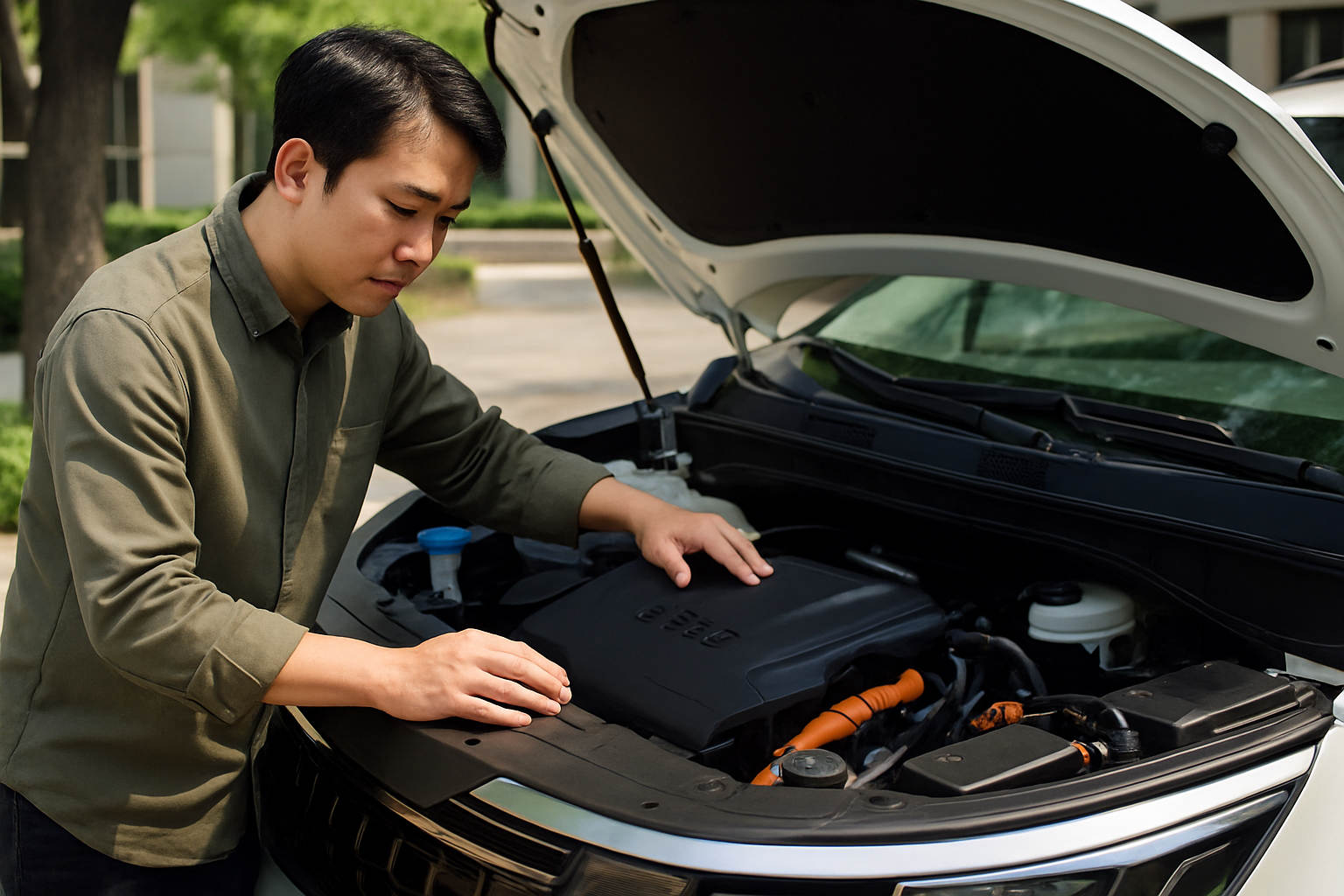
The Carnival Hybrid is equipped with a 1.6-liter turbo hybrid engine. This configuration, commonly used in Hyundai and Kia's mid-sized SUVs like the Sorento and Santa Fe, raised concerns about whether it would provide sufficient power when applied to a large minivan like the Carnival. However, it is designed to improve acceleration in low-speed sections through the immediate torque assistance of the electric motor and maximize engine efficiency during high-speed driving.
The system output is around 245 horsepower, a figure sufficient to pull the heavy body. In particular, the hybrid-exclusive E-Ride technology uses motor control to cancel out body movement when going over speed bumps. This is a very practical technical consideration given the nature of the Carnival, where family members often ride in the back seats. However, it is important to note before purchasing that the engine RPM may rise somewhat during full-load acceleration on highways.
The most notable technical point is that the hybrid system provides a significant advantage in quietness beyond simple fuel efficiency. Vibrations and noise during engine startup are reduced, and the ability to drive on the electric motor alone at low speeds makes the comfort in parking lots or congested urban areas incomparable to diesel models. It is important to see how these technical characteristics align with actual driving patterns.
2. Misconceptions about Fuel Efficiency and the Gap in Real-World Driving Data

Many consumers express disappointment that the fuel efficiency of the Carnival Hybrid is around 12-13 km/l. However, it is necessary to evaluate the characteristics of the large minivan class objectively. The fact that a large vehicle with a curb weight well over 2 tons records this level of fuel efficiency based on a gasoline engine is evidence that the hybrid system is playing a significant role in overcoming physical limitations.
Aggregating data from actual owners, many experience efficiency higher than the official rating in city driving due to the intervention of the electric motor. It shows an overwhelming difference in efficiency compared to gasoline models, especially when repeating stop-and-go driving in urban areas with frequent traffic lights. However, the advantages of the hybrid system diminish somewhat during highway driving, and fuel efficiency tends to drop as speed increases due to the greater impact of air resistance. If your environment involves mostly high-speed constant driving at 110 km/h or higher, it is realistic to lower your expectations for fuel efficiency.
Fuel efficiency should not be judged solely by numbers, as it varies depending on the driver's habits and environment. If you learn driving techniques that avoid rapid acceleration and actively utilize regenerative braking, you can certainly achieve better fuel efficiency than the recorded data. Furthermore, considering that it is free from the urea management or vibration issues of diesel models, the overall economic feasibility in terms of maintenance costs can be rated higher than simple fuel efficiency figures.
3. Comparison with Competitors: The Unique Advantages of the Hybrid
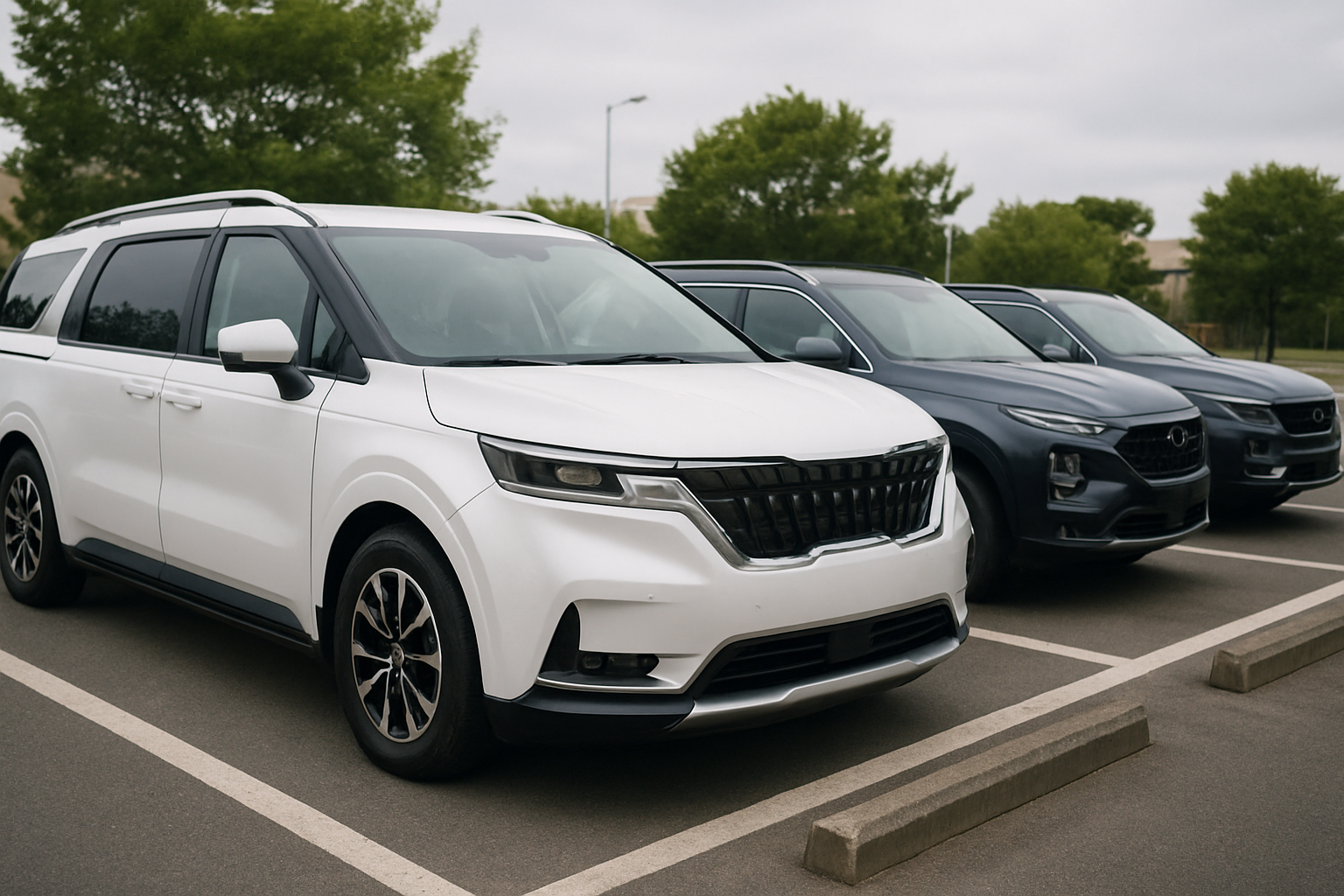
There is effectively no model currently on the market that directly competes with the Carnival Hybrid, as it is the only model in the large minivan market equipped with a hybrid powertrain. Nevertheless, many consumers compare it to the Sorento Hybrid or Santa Fe Hybrid, which boils down to a choice based on vehicle size and utility. When choosing a 6-seater or 7-seater model, the Carnival holds an overwhelming advantage in space.
Compared to diesel models, the hybrid has an edge in quietness and ride comfort. The smooth acceleration and noise suppression capabilities of the hybrid system provide great value in reducing family fatigue during long-distance trips. On the other hand, for drivers with very high annual mileage and an overwhelming proportion of highway driving, the high-speed fuel efficiency of a diesel model might be more advantageous. It is best to first categorize whether your driving pattern is focused on city and suburban areas or long-distance highway driving.
Also, the price difference between vehicles must be considered. The hybrid model is priced higher than the standard internal combustion engine model. Since it may take a considerable amount of time to recover this price difference through fuel savings, the key to the choice is how you evaluate the 'opportunity cost' of quietness, environmental factors, and ride comfort rather than simple economic feasibility.
4. Ride Comfort and Space Utilization as a Family Car
The biggest strength of the Carnival is, of course, space. Despite the hybrid battery, it is designed to have almost no impact on the interior living space. The independent seat configuration of the 2nd and 3rd rows provides sufficient rest space for family members even during long-distance trips. In particular, the hybrid model has the effect of reducing motion sickness caused by engine vibration when children are on board, resulting in very high satisfaction as a family car.
In terms of ride comfort, a hybrid-exclusive tuned suspension is applied, giving it a slightly firmer yet smoother feel than the standard model. Thanks to the E-Ride technology, the impact when going over speed bumps is reduced, which acts as a positive experience not only for the driver but also for the 2nd-row passengers. However, since road noise can be transmitted to the 3rd row due to the structure, many owners consider additional soundproofing if they want to maximize quietness.
In terms of space utilization, the 'sinking seat' structure, which allows the 4th-row seats to be completely hidden in the floor, is a unique feature of the Carnival. The hybrid model also retains this function, making it very useful for families who enjoy various outdoor activities such as camping or car camping. The fact that the cargo space has not been reduced due to battery placement is a testament to Kia's design engineering capabilities.
5. Maintenance Points to Consider for Long-Term Ownership
The most concerning aspect of driving a hybrid vehicle for a long time is battery durability and system errors. The lithium-ion battery applied to the Carnival Hybrid is designed to have a longer lifespan than batteries in standard internal combustion engine vehicles, but efficiency may decrease over time. Fortunately, the manufacturer provides a generous warranty period for hybrid-specific parts, so there should be no major problems as long as regular inspections are performed.
The engine oil change interval is similar to that of standard gasoline models, but due to the nature of the hybrid, the engine run time is shorter, so one must carefully monitor for issues like oil emulsification. If your environment involves repeated short-distance driving without the engine fully warming up, more meticulous engine oil management than recommended by the manufacturer may be necessary. Also, because a regenerative braking system is applied, the wear on standard brake pads is much slower than in internal combustion engine vehicles.
Checkpoints: 1. Periodically check the condition of the engine oil. 2. Manage the hybrid battery cooling filter to ensure it does not accumulate dust. 3. Always request a check for any abnormalities in high-voltage cables during regular inspections. Such management habits are also very helpful in increasing the residual value of the vehicle.
6. Pre-Purchase Checklist: Is It the Right Model for Me?
If you are considering a Carnival Hybrid contract, ask yourself the following questions. First, is my driving environment mainly urban? Second, do I prioritize the ride comfort and quietness of passengers? Third, am I willing to consider future maintenance costs and used car value even if the initial purchase cost is somewhat high? If you are positive about all three questions, the hybrid will be the best choice.
On the other hand, if you do a lot of highway driving, are sensitive to initial purchase costs, and plan to replace the vehicle quickly within 3-5 years, a diesel or gasoline model might be more economical. Also, if the parking space is narrow or the environment is complex, you should be aware that the driving difficulty can be high due to the nature of the large Carnival. It is recommended to include parking assistance systems or surround-view monitor options.
Finally, a test drive is essential. The response of the accelerator pedal in the Carnival Hybrid is slightly different from that of the gasoline model. Since the sense of difference when the electric motor intervenes varies greatly from person to person, be sure to test drive with your family and test the ride comfort in the 2nd row yourself. What is more important than the figures in the catalog is the texture of the drive felt by the actual driver.
7. Market Response and Used Car Value Outlook
The Carnival Hybrid has been highly popular since its launch, with such a long waiting period that the market response is hot. This suggests that depreciation will be low in the used car market. Combined with the growing preference for hybrid vehicles and the characteristics of the large family car market, it is highly likely to maintain a very high residual value for the next few years.
Buyers in the used car market highly value the fuel efficiency and quietness of the hybrid model. This is because the fuel cost savings are distinct compared to gasoline models even as time passes, and it is free from environmental regulation issues of diesel engines. These points are economic factors that can offset the high cost at the time of initial purchase to some extent.
Of course, market conditions can change at any time. However, considering the solid position of the Carnival brand and the high demand for domestic hybrid vehicles, the Carnival Hybrid's solo run is expected to continue for the time being. For buyers, the fact that the vehicle's value is stable provides psychological comfort.
8. Conclusion: Is the Carnival Hybrid the Answer?
The Carnival Hybrid is not a perfect vehicle. Fuel efficiency figures may not meet expectations, and engine noise may be heard during high-speed driving. However, it cannot be denied that it is a model that combines the four elements of quietness, ride comfort, space utilization, and economic feasibility that a family car should have in the most balanced way. Especially for heads of households driving for their families, this vehicle will be an excellent partner that reduces stress.
Ultimately, a car is a tool chosen to fit one's lifestyle. Please consider how much more enjoyable the Carnival Hybrid's comfortable travel experience can make your family trips. Rather than being buried in a single fuel efficiency figure, if you comprehensively review the overall value this vehicle provides, you will be able to make a choice without regrets.
For detailed option configurations or promotion information for the vehicle, please check the official Kia website and we recommend experiencing a test drive in person at a nearby dealership. The first step toward a safe and enjoyable car life begins with careful information gathering.
Frequently Asked Questions
What is the real-world fuel efficiency of the Carnival Hybrid?
Although there is a large difference depending on driving habits and road conditions, it generally records around 12-14 km/l for city-focused driving and 11-13 km/l for highway driving.
Does the hybrid model have better ride comfort than the gasoline model?
Yes, thanks to hybrid-exclusive suspension tuning and the immediate intervention of the electric motor, acceleration is smoother and there is less vibration during low-speed driving, so it is evaluated as having superior overall ride comfort.
Does the trunk space get smaller because of the battery?
No, the battery was efficiently placed during the hybrid system design stage to secure the same level of interior space and cargo space as the standard model.
Is the Carnival Hybrid suitable for long-distance travel?
Yes, it is excellent for family travel because it is very quiet, which lowers passenger fatigue during long-distance driving, and the ride is smooth.
What is the warranty period for hybrid-exclusive parts?
Kia provides a longer warranty period for hybrid-exclusive parts (battery, motor, etc.) than for internal combustion engines, so please check the warranty guide on the official website.